Currently I’m taking the sixth installment of the online tea courses towards my sommelier certification. We are focusing on health benefits as well as different or unusual tea preparations from around the world. I thought it could be a great opportunity for me to share with all of you the fun I had in preparing and tasting these teas!
While I did say we would focus on health benefits, all of these teas have some added sugar 😛 I normally don’t add a lot of sugar or milk, but I do love a good tea based latte or a little milky black tea with a sweet. In fact, one of my favorite tea based treats would be a masala chai.
A true masala chai is so much more flavorful than a chai latte you would find at a coffee chain. I used to work at one, and it hurt my soul every time I sunk a tea bag into steamed milk and “chai” syrup, knowing the customer was mostly getting sugar milk. I suppose masala chai made at a stand in India is also a fair amount of milk and sugar, but the tea and spices would be much more upfront and most certainly more fresh. Fun fact: India and China are the only places on earth that have indigenous tea plants! That’s a story for another time.
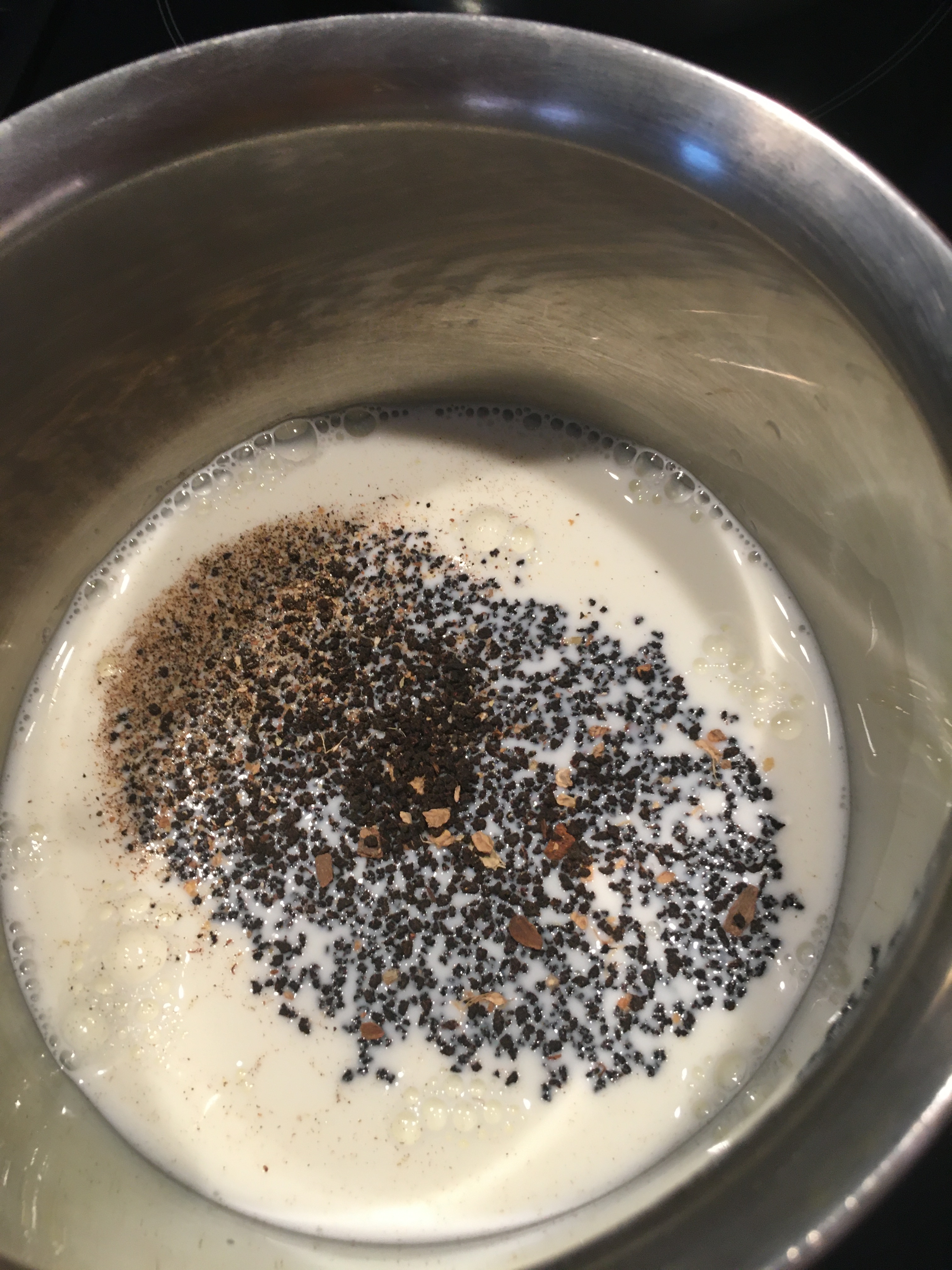
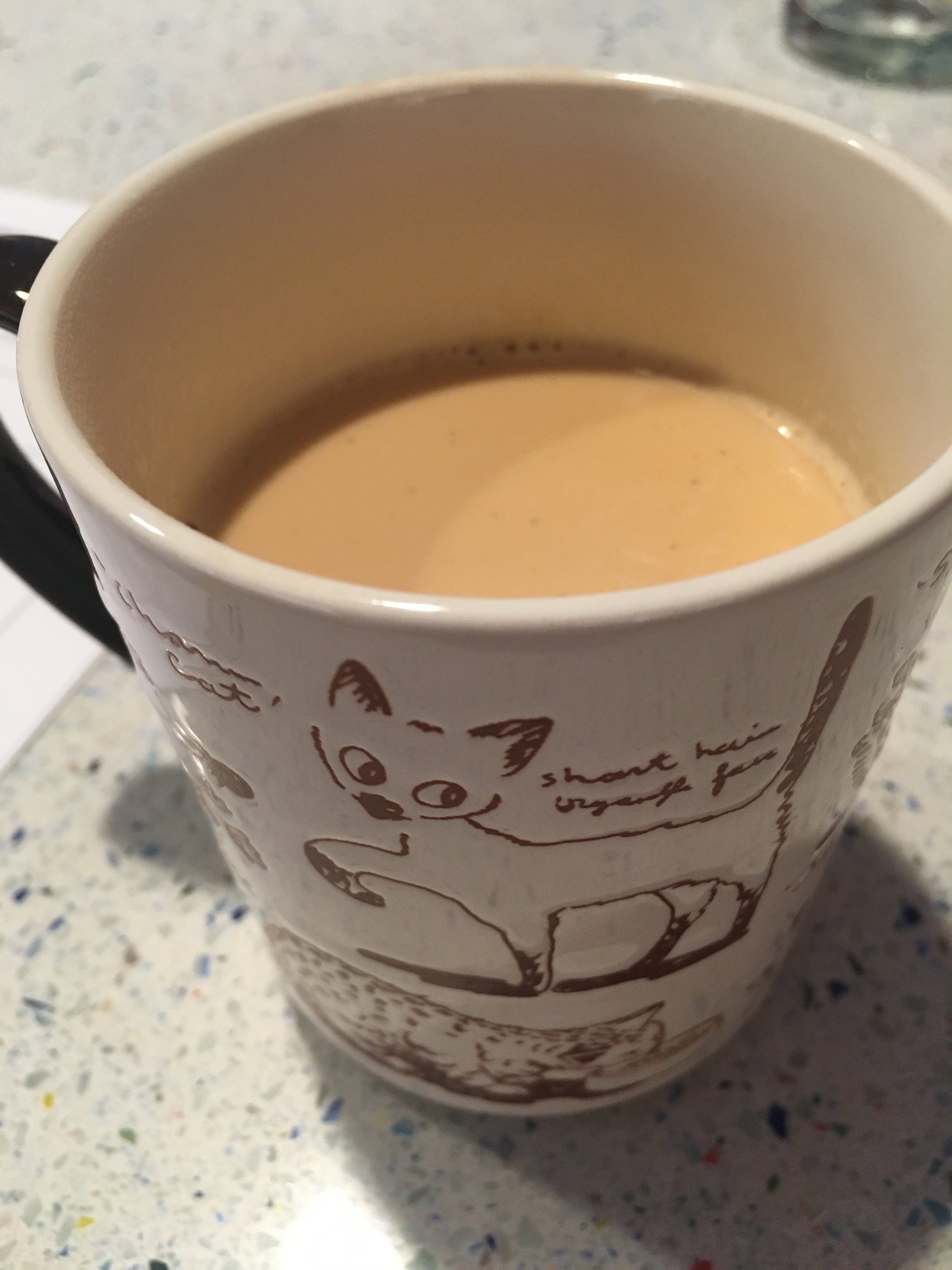
For my class, we were presented with two different ways to make the chai. They suggested brewing the tea as usual and then adding steamed milk and sugar separately. Since I wanted a more rich and creamy chai, I went with the second preparation. I boiled the tea and spice mixture with the whole milk right on the stove. I believe this to be similar to how it’s made in India as well. I then added a few teaspoons of sugar afterward.
The flavor was fantastic! Sweet, milky and just a bit malty and spicy. Not to mention the aroma. It smelled of creme brulee and vanilla with a subtle hint of the spice mix. The tea was admittedly not as strong as if it were consumed on it’s own, but the whole milk did a good job at marrying the components together. The color was also a gorgeous caramel tan. It tasted new and yet familiar. It was one of the more well balanced chai concoctions I’ve had.
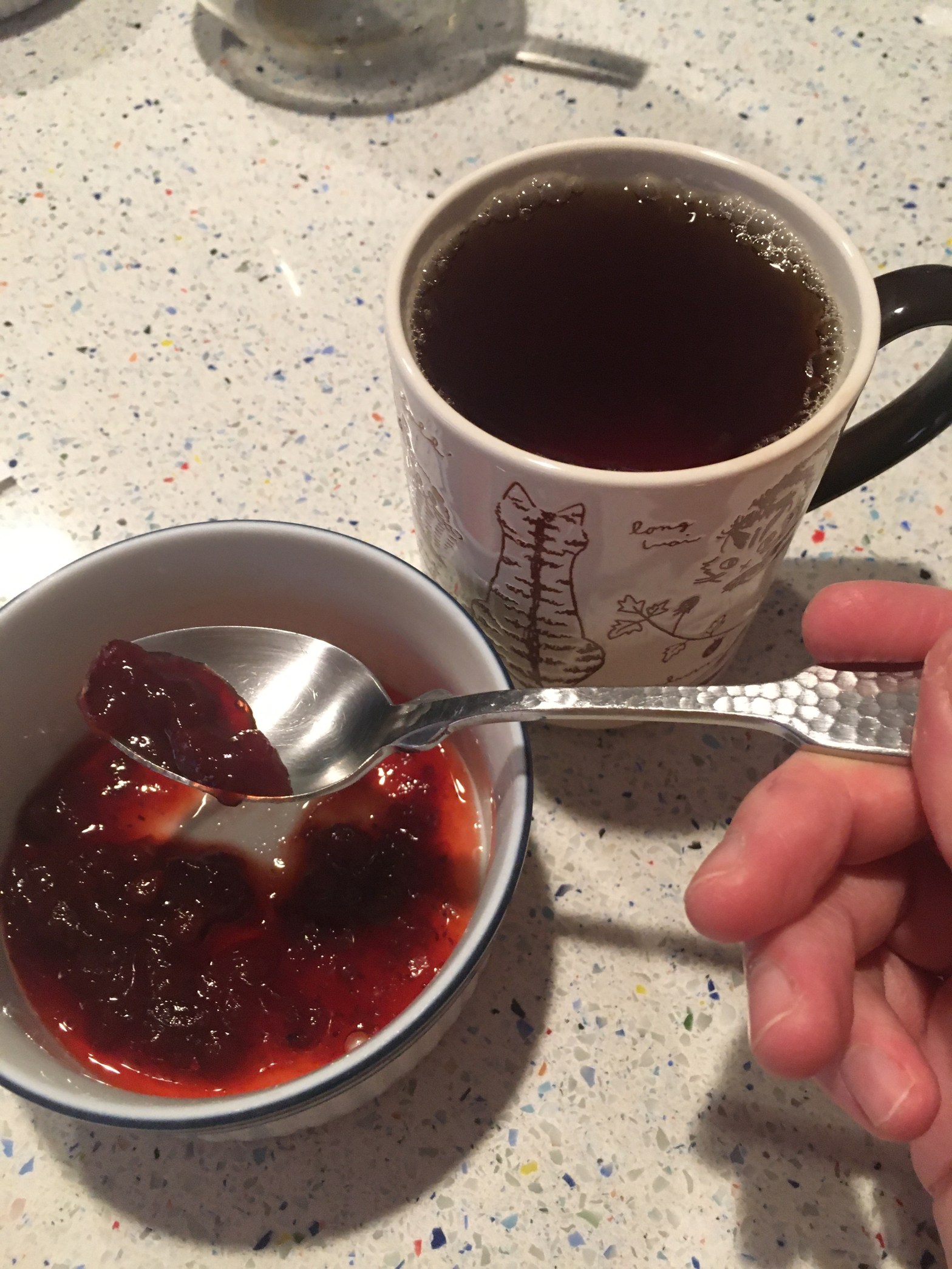
From India we took a trip to Russia. In Russia and most other Eastern European countries, they have an interesting tradition of drinking tea with a spoonful of jam! I have also heard of the custom of drinking tea through a sugar cube in between your teeth. Sometimes jam is added directly to the tea, but often the tea is sipped through a mouthful of jam. The tea is usually black and is often a blend. One of the most popular teas is a smoked black tea from China called Lapsang Sochong. This tea was created when tea farmers wanted to dry their black tea in a hurry, so they smoked it over pine embers. They didn’t know that tea is hygroscopic, or prone to outside smells and moisture, so the tea took on a smoky aroma similar to BBQ sauce. It’s one of those “happy accident” consumables that then became very popular in China and evidently in Russia as well. Lapsang is often found in a blend with other black teas or even long oxidized oolongs to create what is known as Russian Caravan tea.
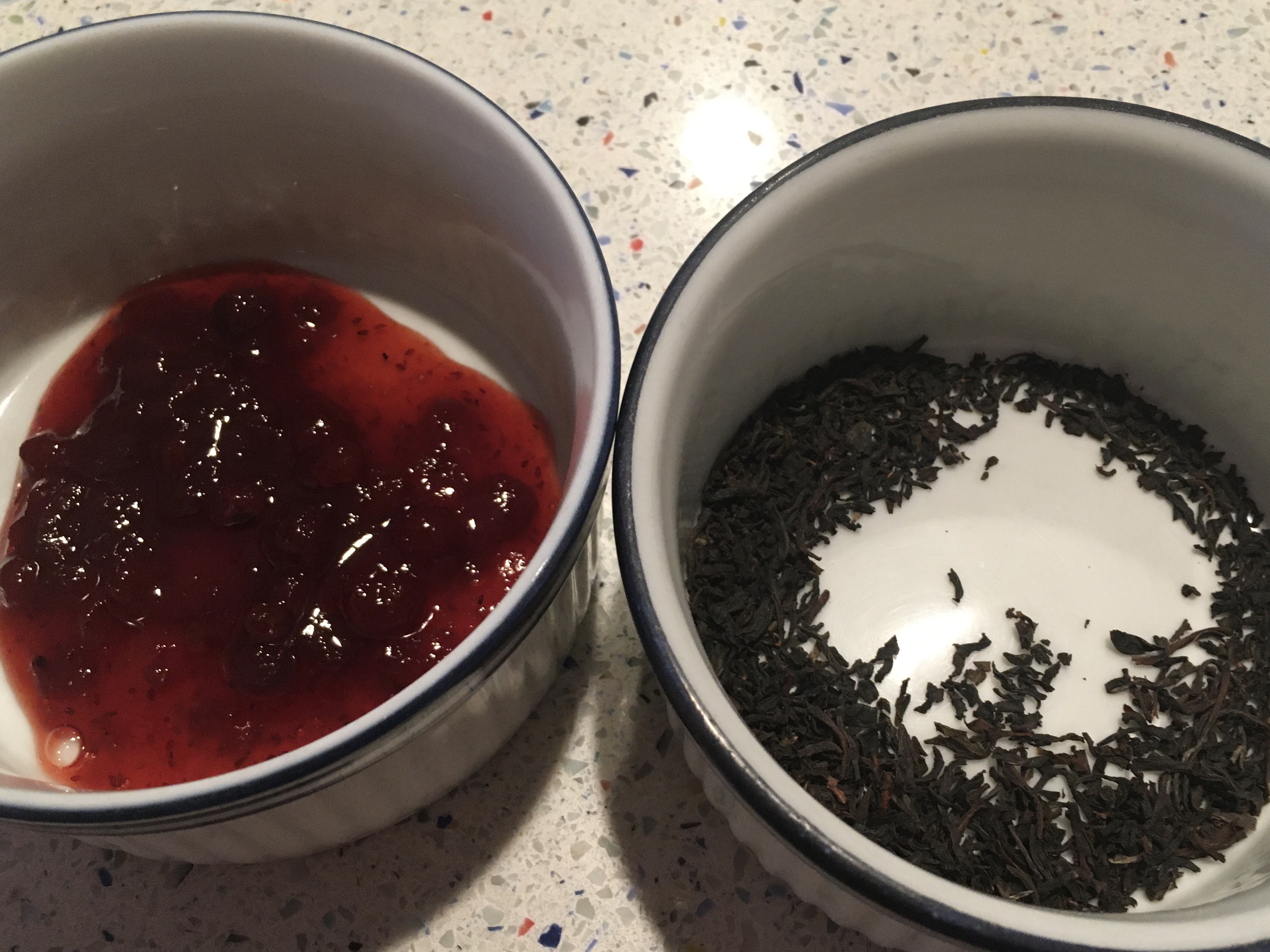
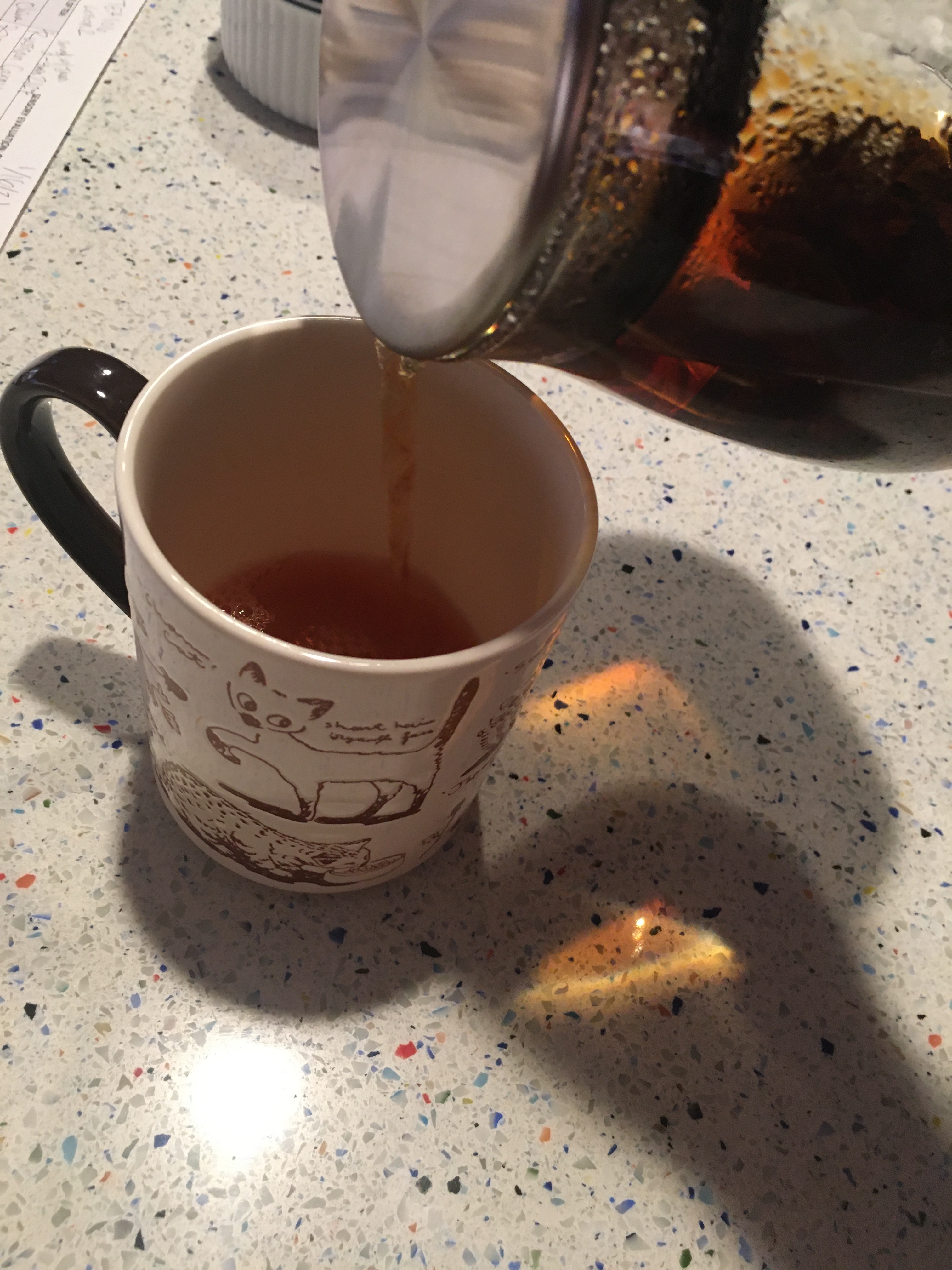
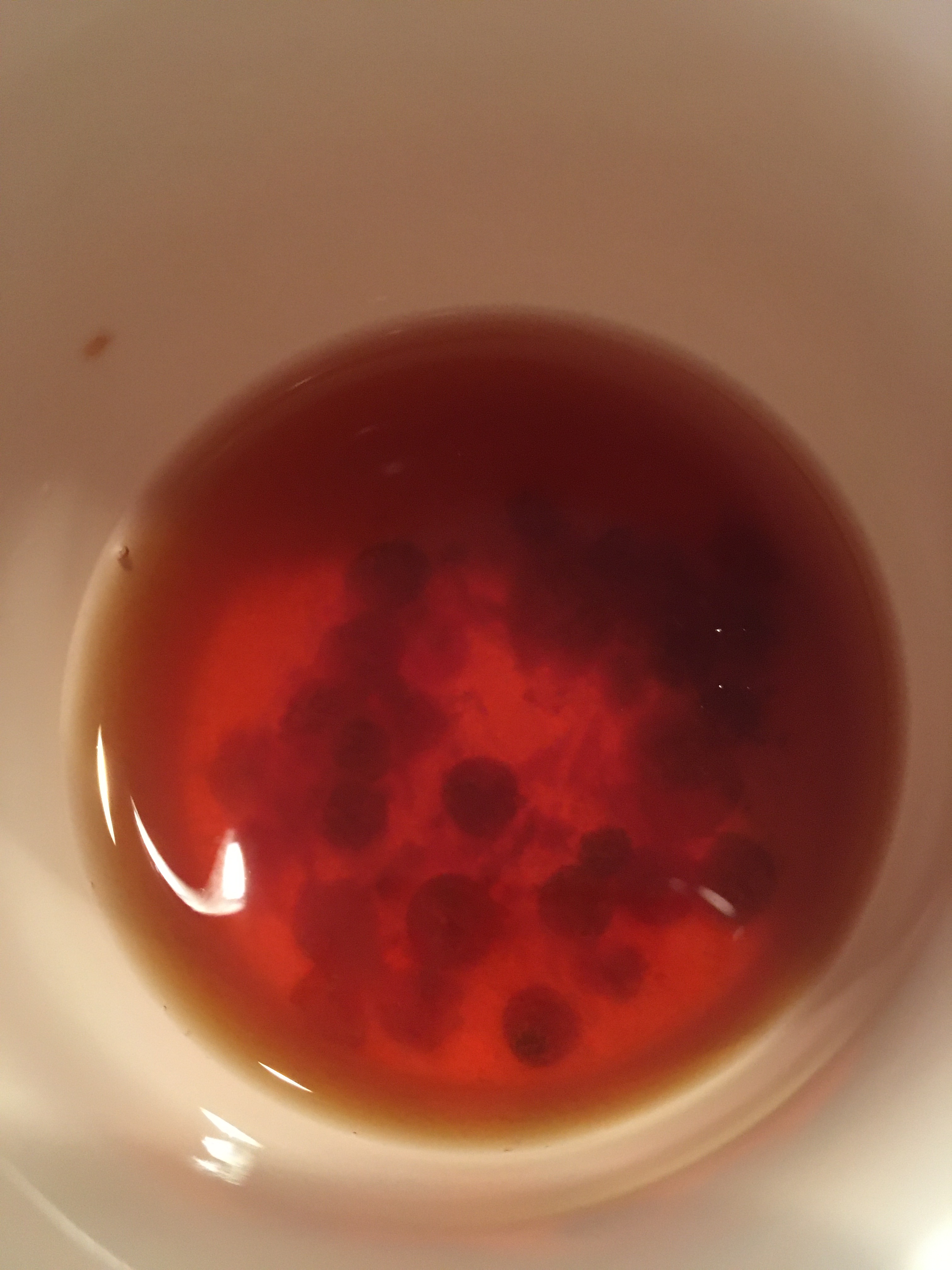
As for the jam, we were told that just about any jam would do the trick. I chose a local lingonberry jam from the New Scenic Cafe in Duluth, MN. Lingonberries taste similar to cranberries, so they are tart and sweet. The resulting combination of the Russian Caravan tea sipped through the jam was fascinating. The sweet and sour notes from the jam mixed with the smoky malty qualities of the tea. I also tried mixing the jam directly into the tea, which mellowed the jam out a bit (and made for a pretty photo!). It even at times reminded me of hibiscus tea because of the tart quality.
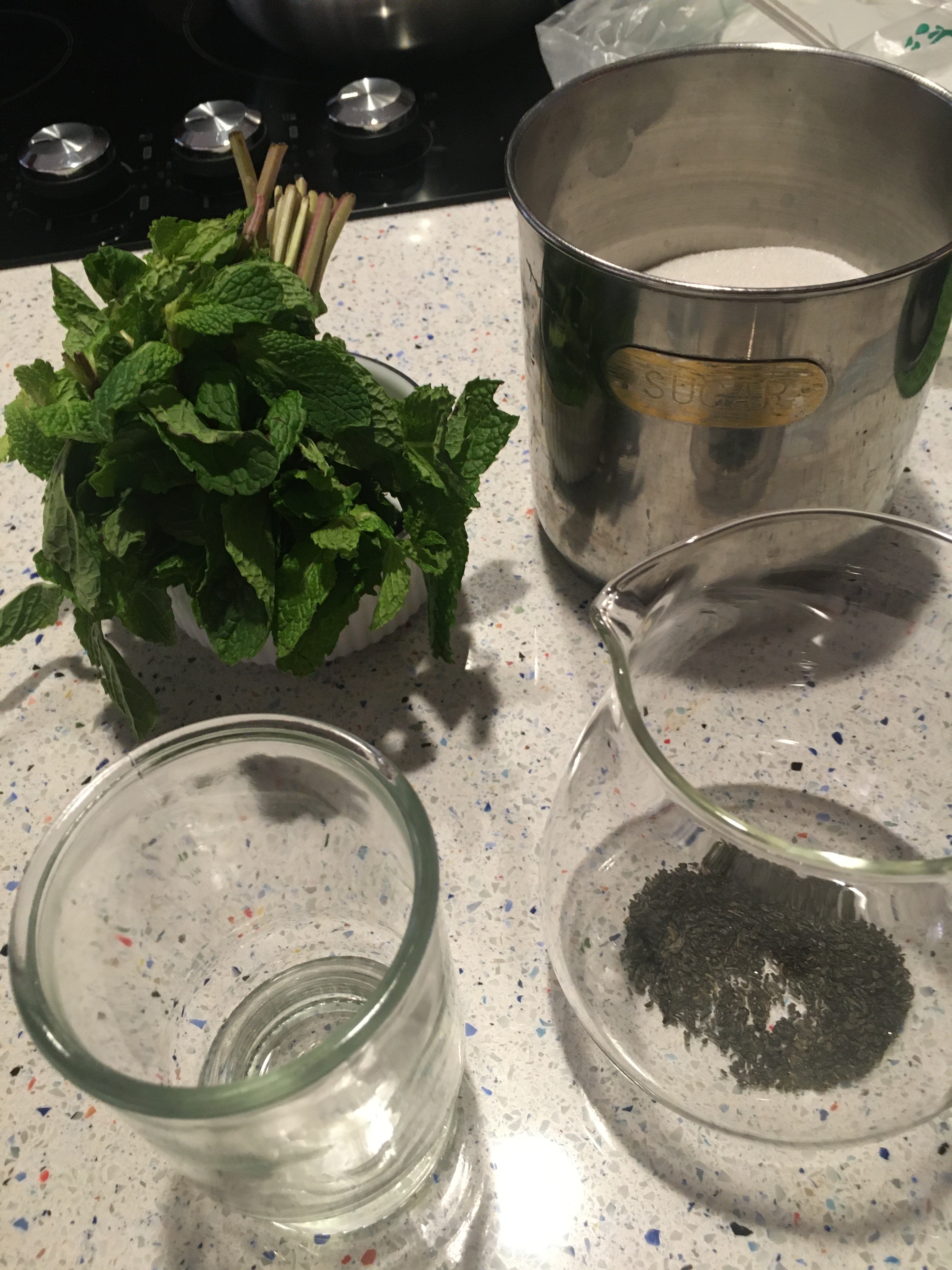
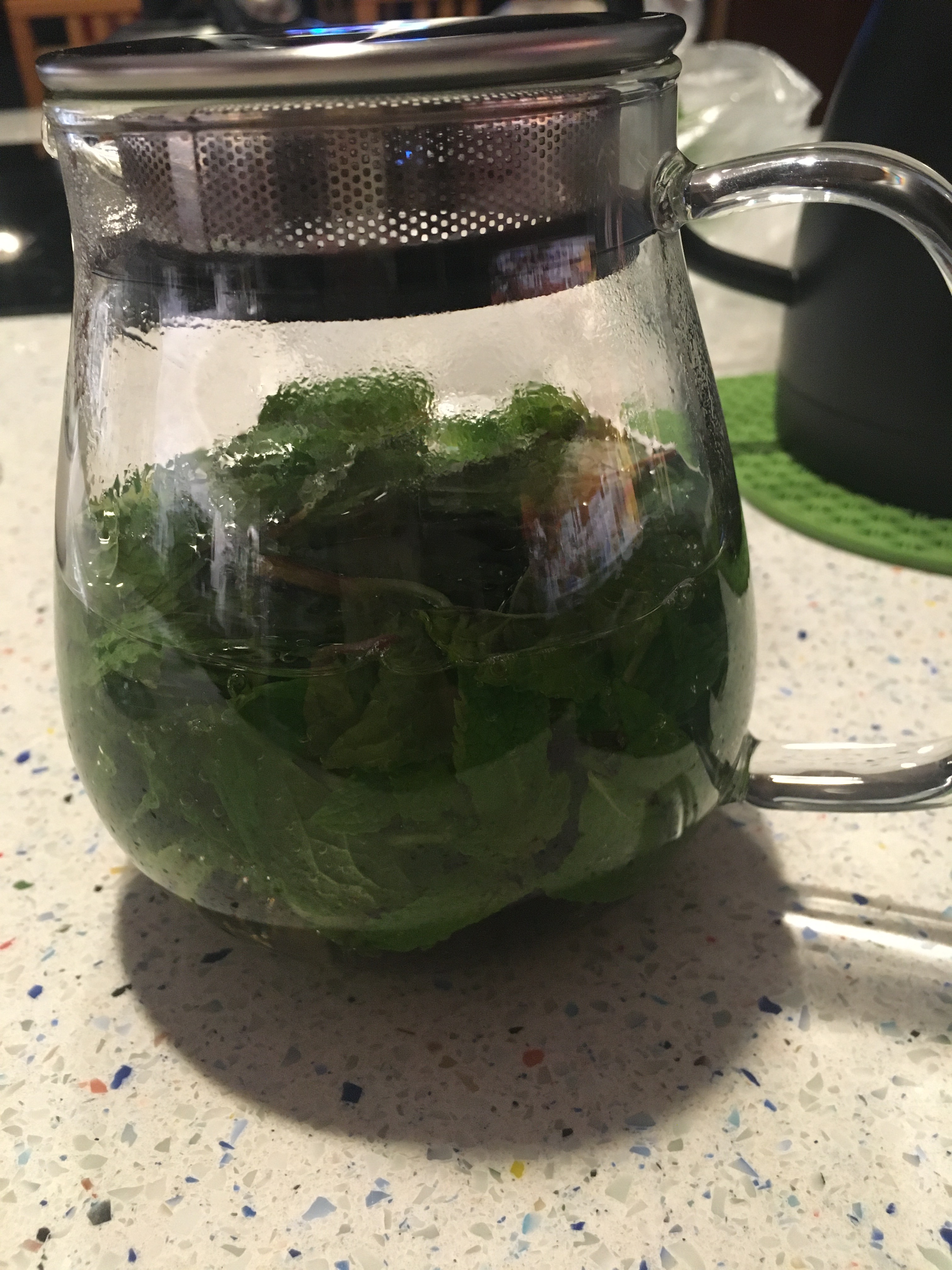
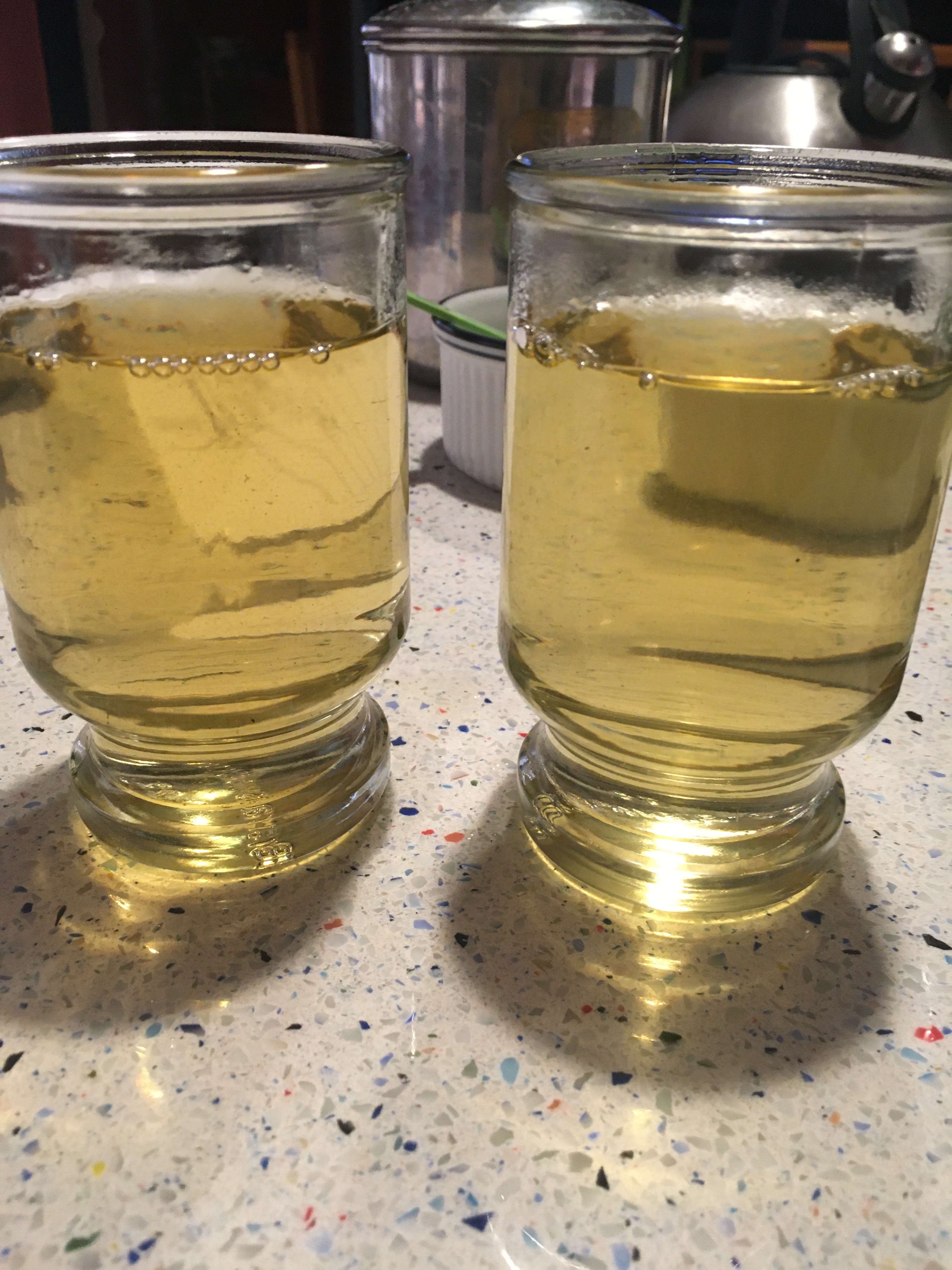
The next destination was Morocco. Morocco has a long tradition of serving guests a sweet minty tea concoction. They usually serve it in beautiful ornate glasses, so I decided to use an old jelly jar to serve. Not as fancy, but a fun new take. The base tea is usually a green tea from China known as “gunpowder”. Obviously, there is not actual gunpowder involved! The tea is called this because of the round and shiny pellet shapes that the leaves are formed into. This tea often has a slight smoky quality, but not as smoky as lapsang. It has a flavor that is reminiscent of roasted vegetables when served on it’s own. I placed the gunpowder green in a teapot. I then layered a few large handfuls of fresh mint leaves on top and a few teaspoons of sugar. I put less sugar than is standard, but I found it to be just the right amount of sweetness. It is also customary in Morocco to drink this tea through a sugar cube! This appears to be a custom that is more common across cultures than I realized. It really showcases the global appeal of tea.
I poured water that was heated to about 175 F (green tea is often brewed at much lower temps than black teas) over the tea, mint, and sugar mix and let it steep for about three minutes. When I tasted the resulting brew, I mostly got the mint and sugar. While it was refreshingly minty, I did wish I could have tasted the green tea a tiny bit more! Perhaps I had the ratios wrong, which is always the struggle when mixing several elements.
I had a fantastic time learning about these different tea traditions from around the world. While I was very much familiar with the basic concept of a chai, I hadn’t had one quite like this. The masala chai will likely make it’s way into my occasional tea treat roster. It could be fun to try the Russian caravan tea with different kinds of jam. I would also be interested in trying the sugar cube trick with the Moroccan mint. That is the fun of tea! The whole world drinks it. The preparations and brewing vessels are different, but the focus is the same. Enjoying a beautiful cup of tea with loved ones. It really brings things into focus.
 Dina's Tea Notes