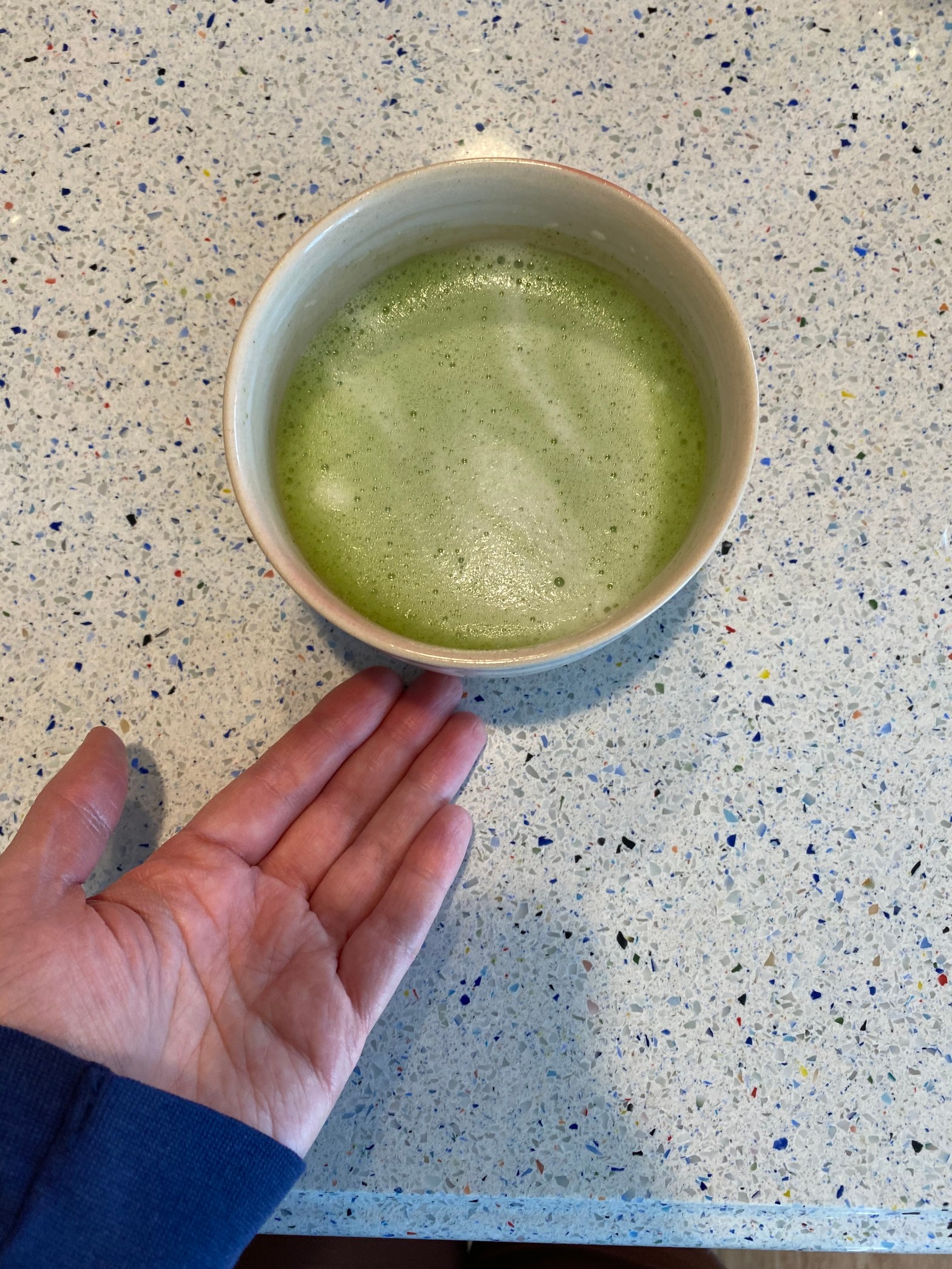
I’m sure most of you have at least heard of matcha. It’s become very trendy in many coffee shops and even in cosmetics. Of course, it’s been around for centuries in Japan and had more of a connection to Buddhist monks and ceremonial applications than to lattes and cakes. Although learning the historic and cultural importance of matcha is absolutely necessary to fully enjoy it, I see no harm in embracing the modern approach as well.
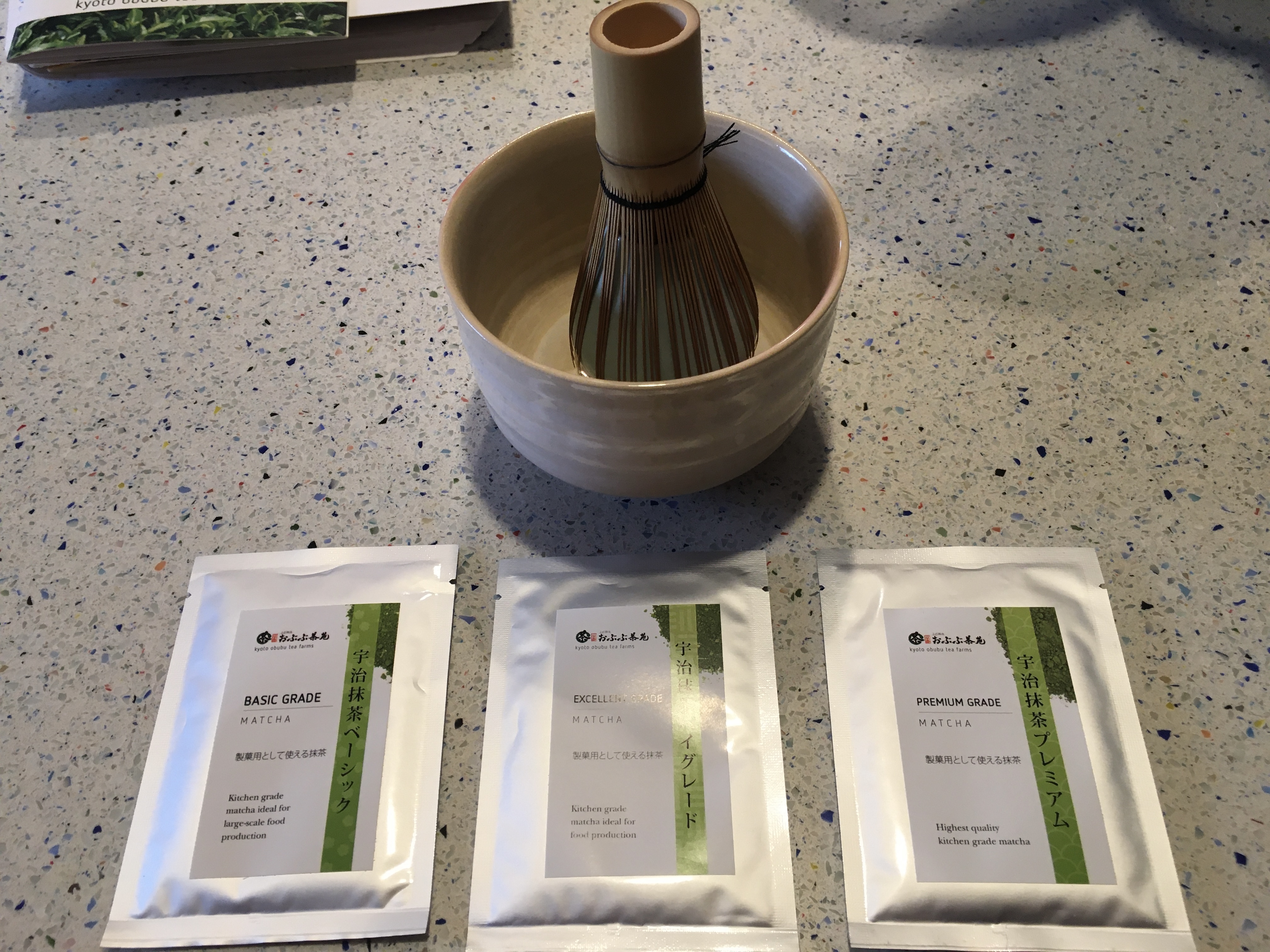
Aside from tea, one of my other hobbies is baking and cooking. I purchased some culinary matcha of different grades as well as some unusual tea powders from none other than Obubu Tea Farms (I swear I’m not sponsored by them, I just had such a great time!). I feel the need to try some experiments. I have some ideas, but often feel like my ideas fall short. I only have small amounts of each powder, so I really want to make it count.
Last year, I tried my hand at making a recipe for Langues de chat cookies from another blog with some of the matcha from Obubu. My original plan was to make two batches with different grades of matcha to compare the quality and flavor differences. Unfortunately, my first batch was a fail…the cookies were meant to be whisper-thin and buttery. I didn’t let the butter soften enough, so they ended up more like weird misshapen cakes. The flavor was good, but I was discouraged enough that I didn’t want to try again.
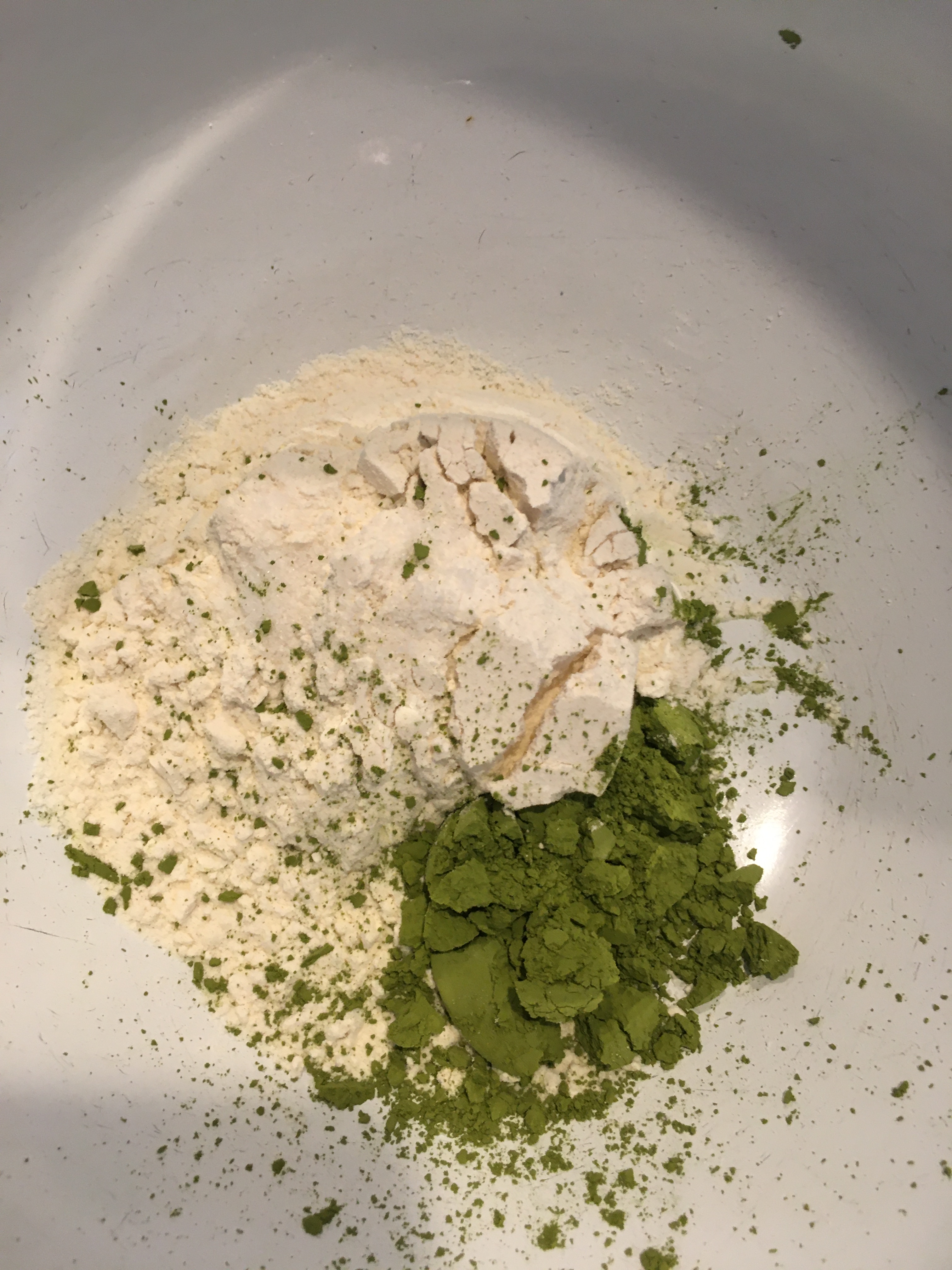
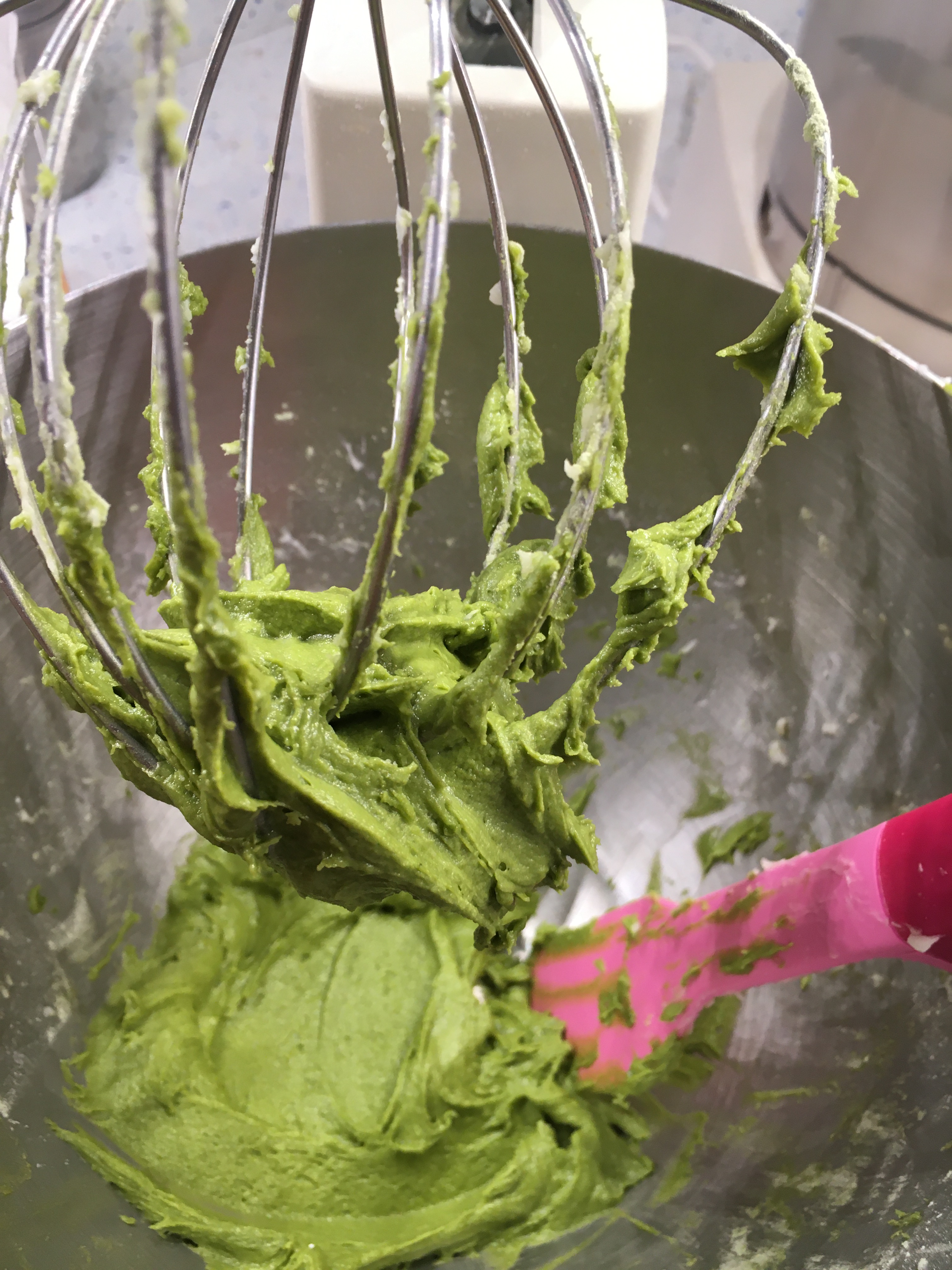
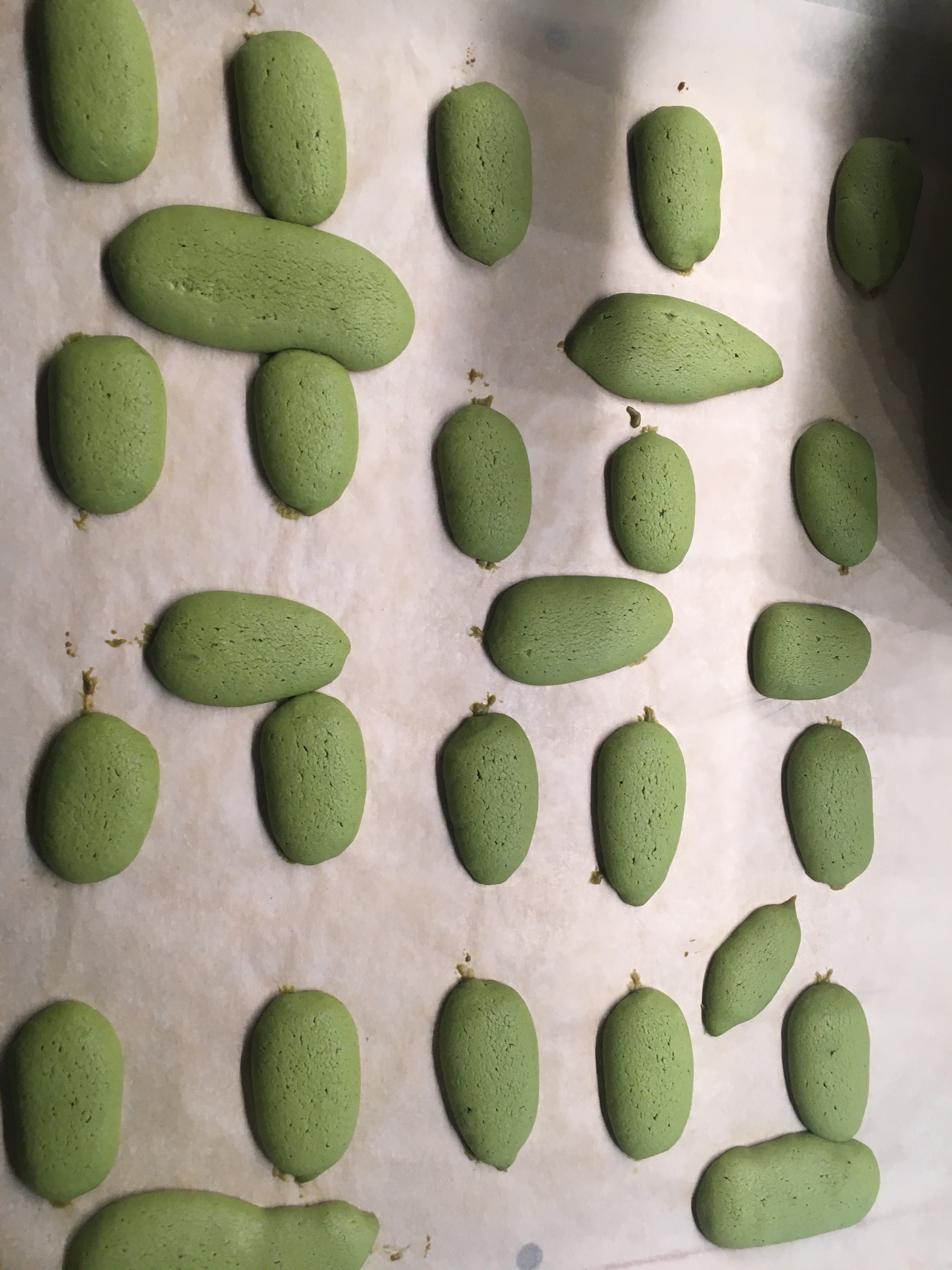
I did another flavor comparison which was more successful, mostly because I didn’t try anything fancy. I simply whisked up three different matcha powders and took notes. I found it intriguing that even with matcha, there is much more diversity of flavor than I ever realized.

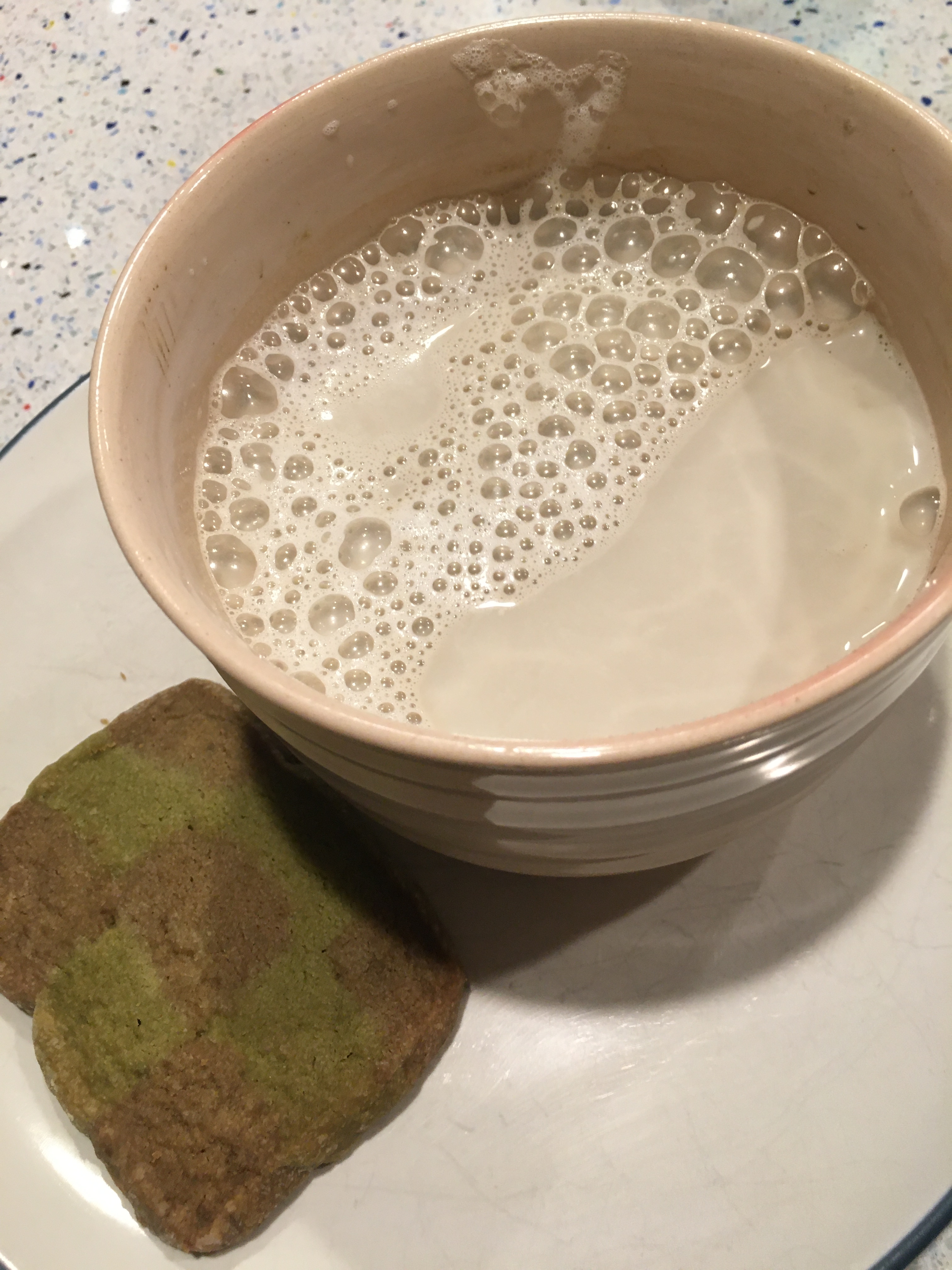
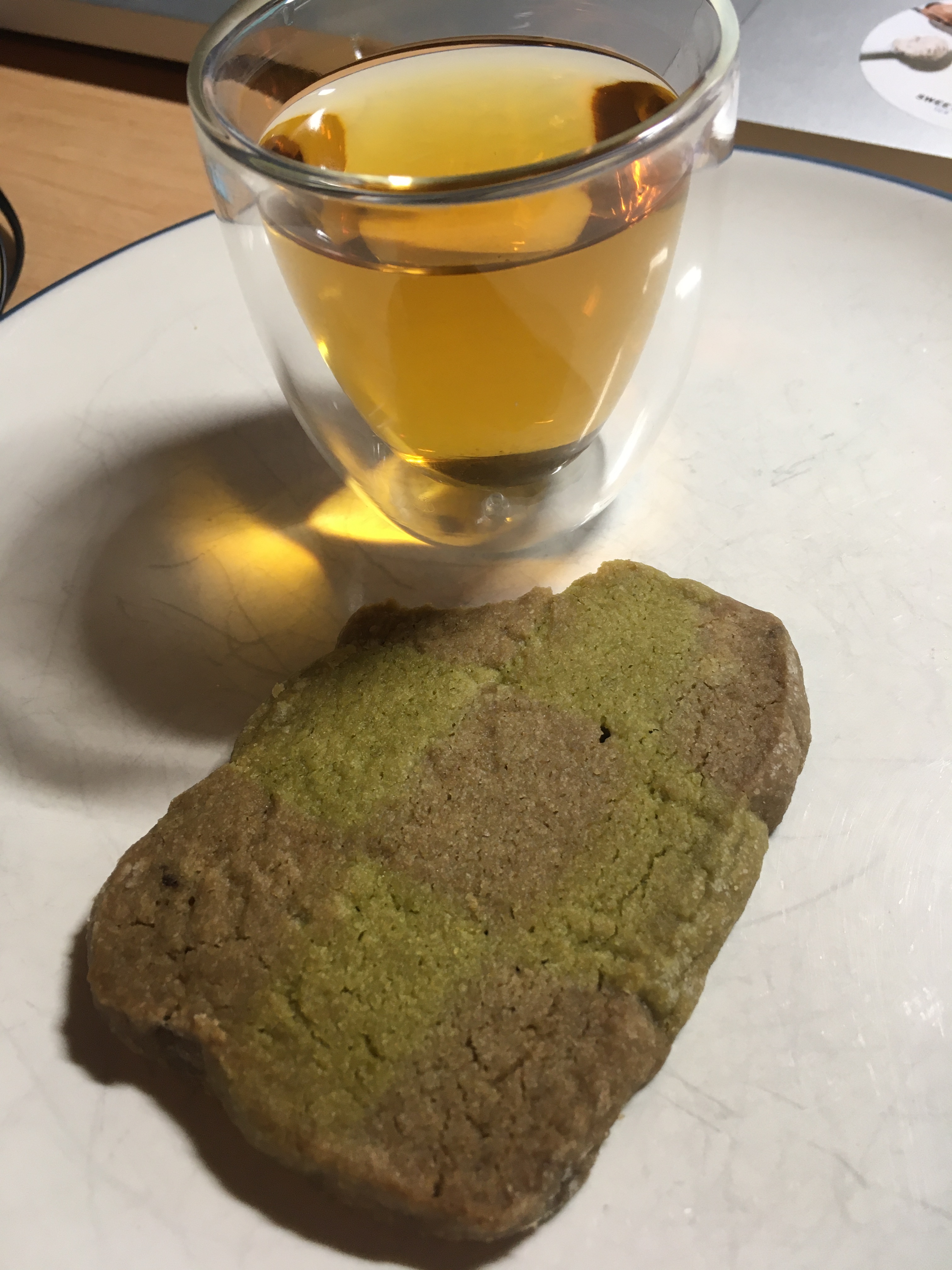
Another powder that is gaining more popularity in the west is hojicha powder. Despite the color, hojicha is also a green tea. It is considered green because it doesn’t go through the full oxidation process that black teas do. It was invented by a Kyoto tea merchant in the 1920’s who wanted to be more resourceful with the twigs and stems leftover from the tea making process. He decided that roasting them would make for an attractive option that was different from the grassy and vegetative notes of sencha. This imparted a lovely sweet smoky nutty flavor that soon became a staple of cafes all over Japan. I used my sample from Obubu a while ago, but recently purchased a large pouch from a new company that specializes in hojicha. Pictured below are some matcha and hojicha checkerboard shortbread cookies and a hojicha latte. So rich and and comforting in the winter!
The other tea powders from Obubu are even more fascinating to me since I’ve never seen them sold as powders. They include genmaicha, wakocha, and sencha. While I would love to try making lattes out of all of them, I’m also inclined to try some savory options as well. Genmaicha is a green tea that includes roasted rice, so it has a very distinctive nutty flavor. I think it could make an interesting bread or crackers. Wakocha is Japanese black tea. It’s been a while since I tried any wakocha, but I imagine it could make a really delicious cake. I would be very interested to see just how different powdered sencha is from matcha in something like noodles. Truly, when you are working with powders, you could include them in just about any recipe!
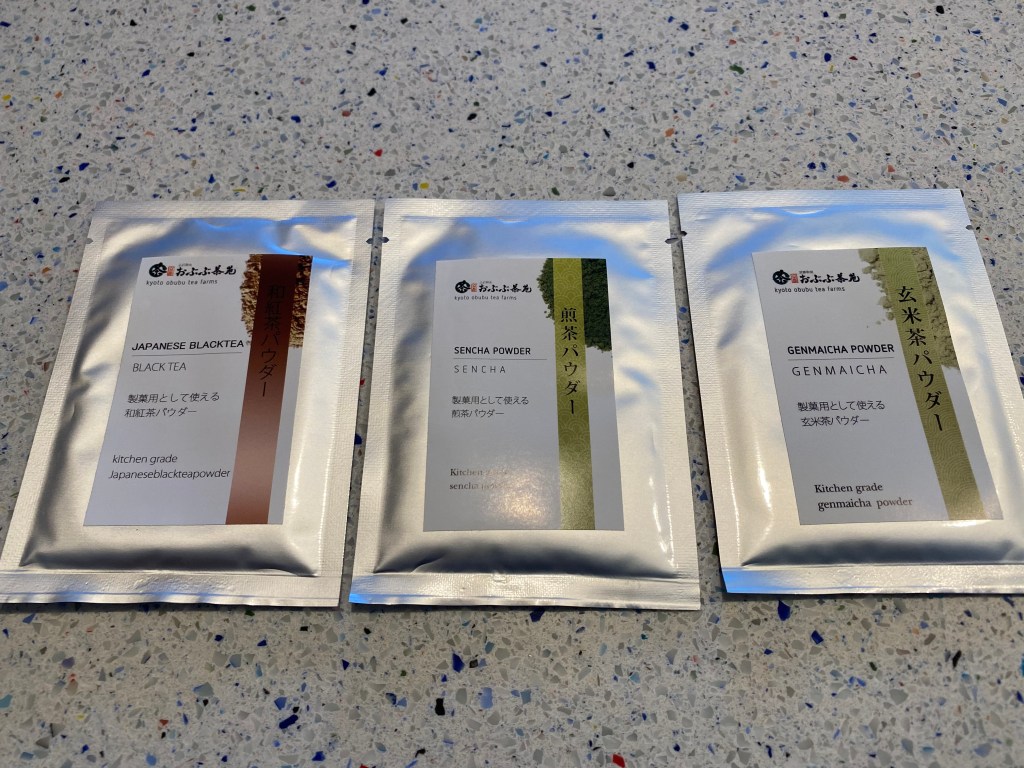
I did receive some recipe ideas with my purchased tea powders as well. I would love to try those and maybe do a recipe roundup one day. Have you seen any unusual tea powders or culinary powders in general? What would you make if you had some of these in your kitchen? Is there anything you want to know about or learn how to make with culinary tea powders? I would love to do some collaborative recipes in the future. Let me know your thoughts in the comments!
 Dina's Tea Notes