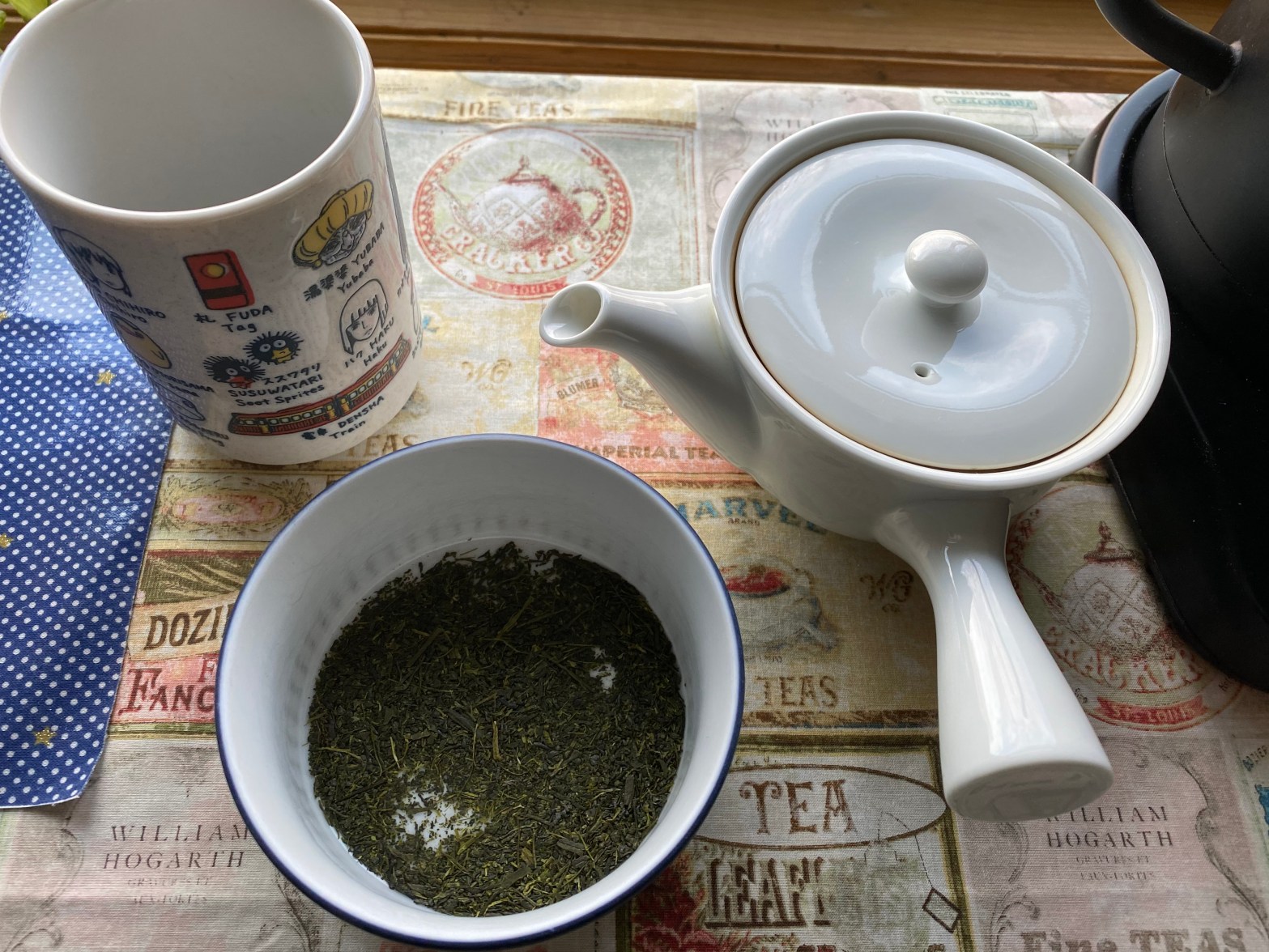
There are tea plantations all over the world. Depending on the climate, tea can be harvested year round. For other more variant climates, tea is harvested perhaps one to three times a year. In many cases the spring harvest is the most sought after.
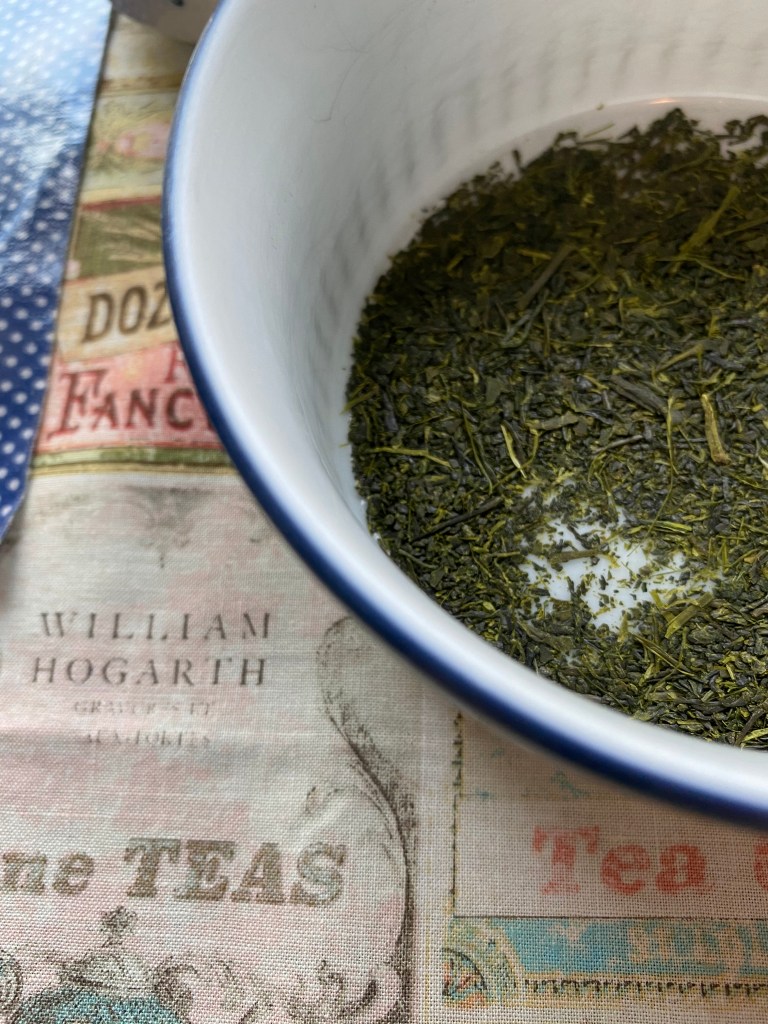
Shincha, or literally “new tea” is what the first harvest is known as in Japan. For a country that primarily produces green teas the first harvest is especially important. Greens are most often freshest and at their flavor peak within the first year or less of harvest time. Most tea farms in Japan will do at least two harvests. Going further South, some may do three or possibly more. The later in the year you go, the leaves will be considered too old for the higher quality teas. This isn’t to say that a less expensive bancha or hojicha are not enjoyed, but the prices of a high tier first harvest gyokuro certainly reflect the reverence the Japanese feel for the spring leaves.
One of the main reasons they are so coveted is the winter period allows for the tea flavors to get much more concentrated. This makes the tea work harder to survive until spring and gives it more interesting and nuanced characteristics. One of my tea sommelier teachers described it like this: Tea is a bit like people. The more hardships they go through, the more interesting they eventually become. The harder the tea works through cooler weather, the more fascinating the final flavors and aromas will likely be.
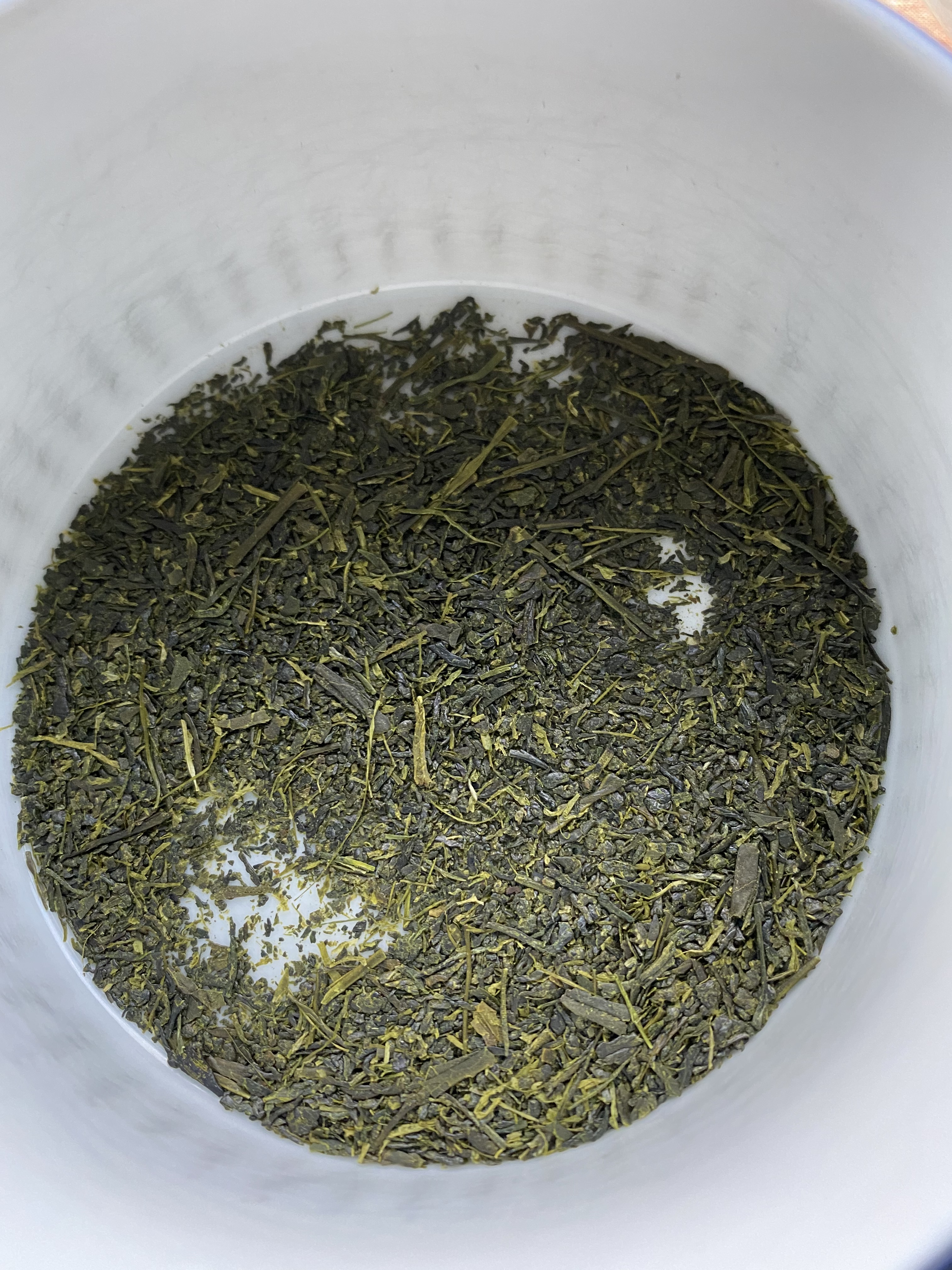
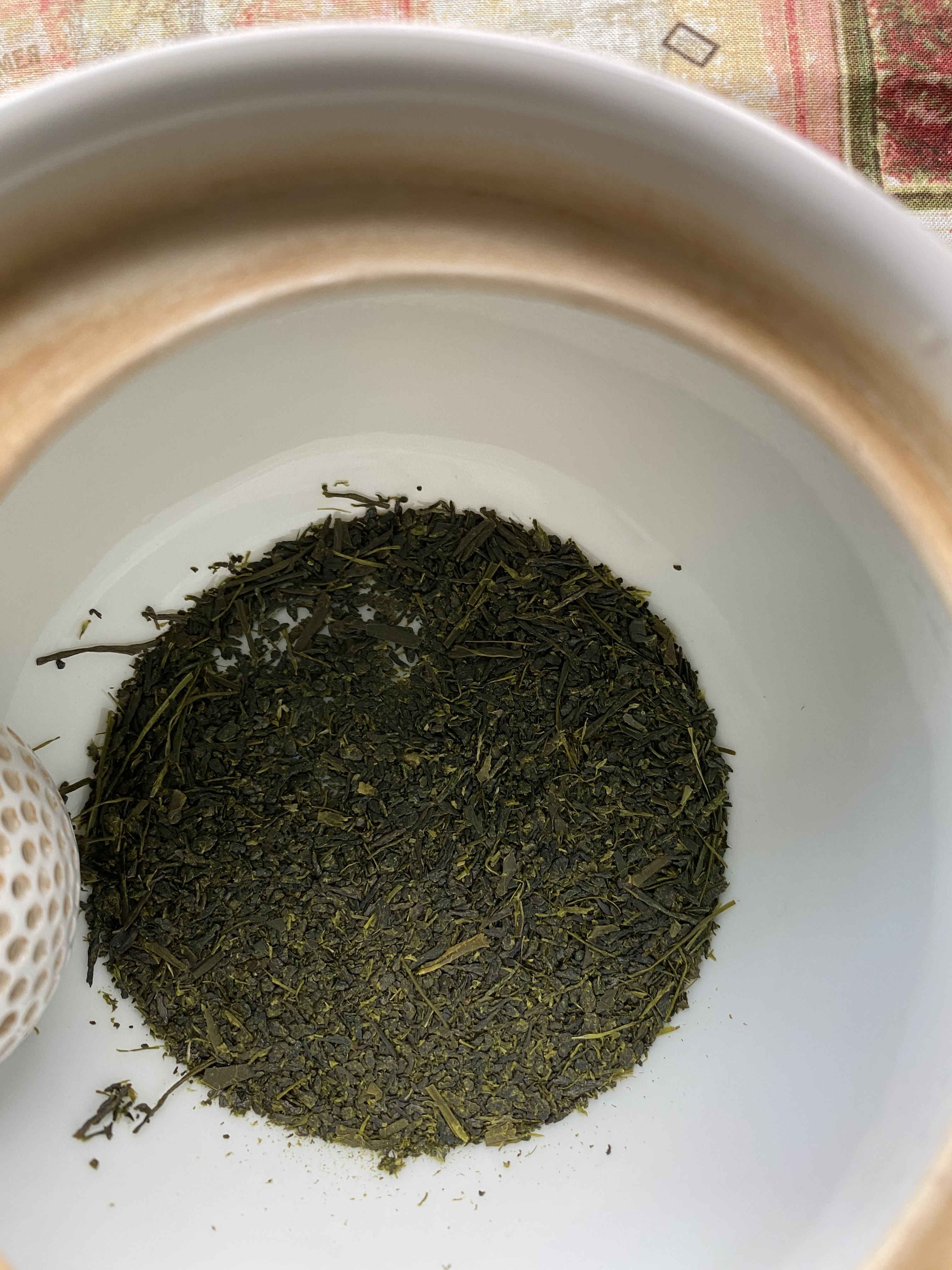
The first harvest is typically in either in April or May. Of course, the more steamy the weather (Okinawa for example), it could even be in March! The tea bushes are constantly being maintained in one way or another throughout the year to prepare for each harvest. In January, the plants are fertilized. When March arrives, the bushes are trimmed (they sometimes make a lower-grade tea from these leaves), fertilized, then some form of insecticide and herbicide is used. Of course, there are some organic farms that don’t use the typical pest control. Depending on the final tea they are aiming to make, they consider different methods of crop rearing. One such difference in methods that is well known is the custom of shading tea plants for the most expensive and delicate Japanese teas.
What is the purpose of the shading? The science will clue you in. Shading the plants causes them to produce more of the compound that gives a strong umami flavor, L-thianine. This amino acid has been shown to significantly reduce anxiety and give you an overall sense of calm. It’s much more gentle than the jitters a cup of coffee can give you. It’s so effective in fact, that you may have even seen L-thianine supplements sold at your local drug store.
Depending on the final type of tea, different leaves from the same plant will be plucked. For the spring harvest, the youngest shoots are always favored. One bud plus two leaves is the typical formation. The most premium teas will often be plucked by hand, but automation has become more common.
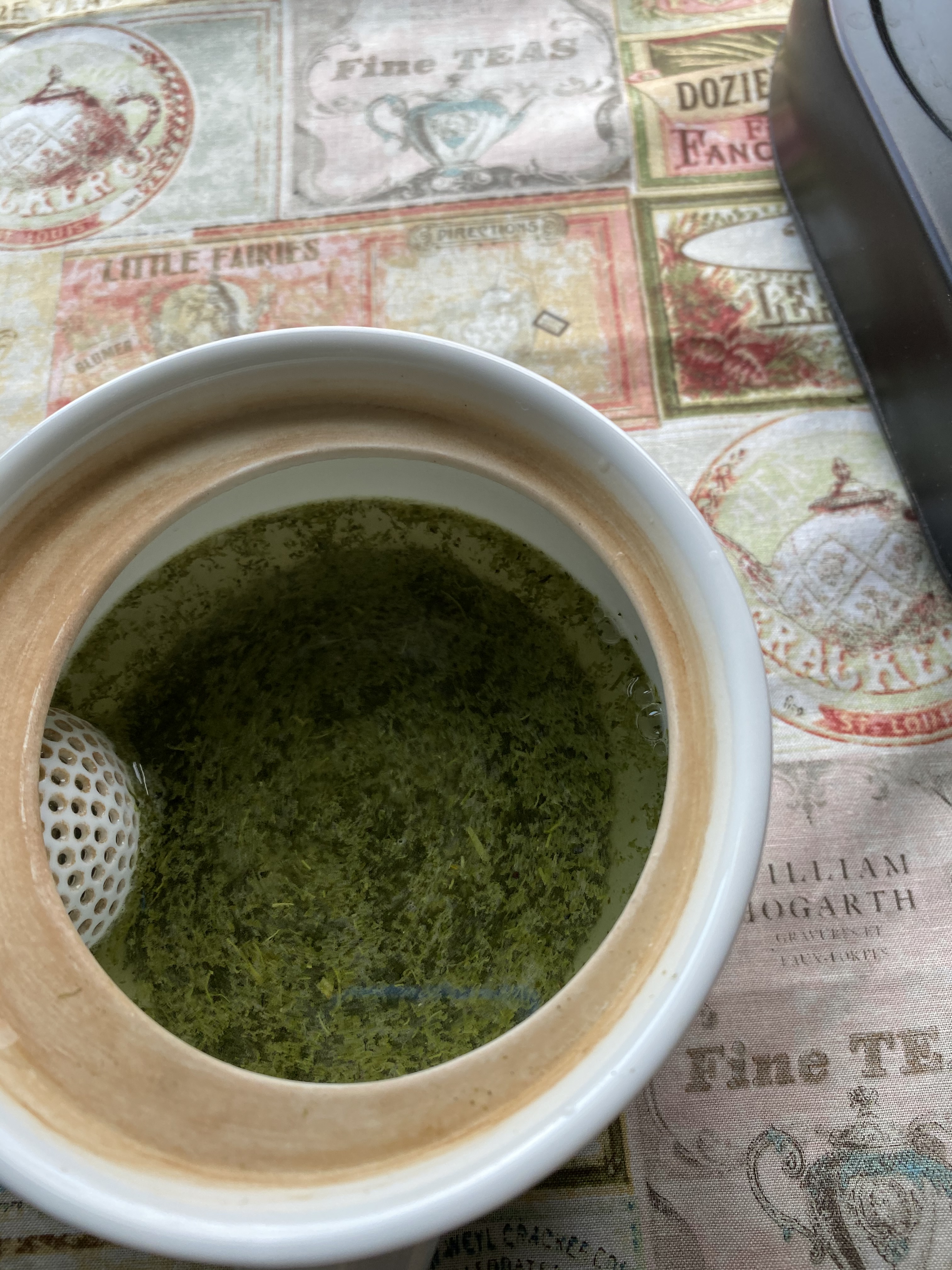

Shincha can be difficult to find in the west, but I have found a few vendors that offer it from time to time. One of my favorites is from a local shop. It’s called “88th night shincha”. It’s a mysterious name, but it has significance. Tea legend has it that if you drink shincha on the 88th day after the spring equinox, you will stay healthy for the remainder of the year. Weather you believe it or not, shincha is definitely a precious commodity and does offer many health benefits. If you ever find some, it could be worth it to shell out a few extra bucks for the sweet umami kick!
I’m thinking of looking at other tea producing regions and their first harvest practices as well. Since it is almost spring in the Northern hemisphere, it’s the perfect time to start saving up and planning your spring tea purchases. What tea are you dreaming of buying this spring? I can’t afford to buy a lot at the moment, but I definitely have my eye on a few 😉
 Dina's Tea Notes