One of the most fascinating things about tea is that each type is from the same basic plant, Camellia sinensis. In the cooler climates, the variety that tends to do the best is Camellia sinensis-sinensis. This type was found in China originally. The variety that does the best in hotter climates is Camellia sinensis assamica from India. Within those categories, there are various cultivars. There are many local to Japan. I’ll get more into the cultivars later.
I have been a big matcha fan for a long time, but I’m embarrassed to say I never really followed the “proper” way to prepare it. I wanted to do it right this time because they are both such high-quality matcha. After doing some research, it seemed that the most traditional way was to use about 1-1.5 grams of matcha per about 70 ml. of not too hot (around 160 F) water. This may seem like a small amount of both matcha and water. Frankly, it is. I think of it as similar to a shot of espresso in a way. Of course, it’s much more calming than that! Let me tell you, tea quality is important, but preparation can be even more so. That being said, it would look rather silly if a tea ceremony practitioner weighed out their matcha or meticulously measured their water. They just naturally guess appropriate amounts.
Reassured that my preparation was as accurate as could be, I finally gave the Okumidori a try. The description on the package was in Japanese and English. Directly translated, it states that Okumidori has a vibrant color, is low in astringency, and is very mellow. The English simply states, “Rich and smooth ceremonial matcha”. I took a deep breath and took in the aroma. It had a wonderfully sweet scent. It almost had a cocoa aroma. Flavor-wise it was fairly sweet and rich. There was only a hint of a “marine” and grassy quality. Overall it was one of the most pleasant matcha I had ever tasted.
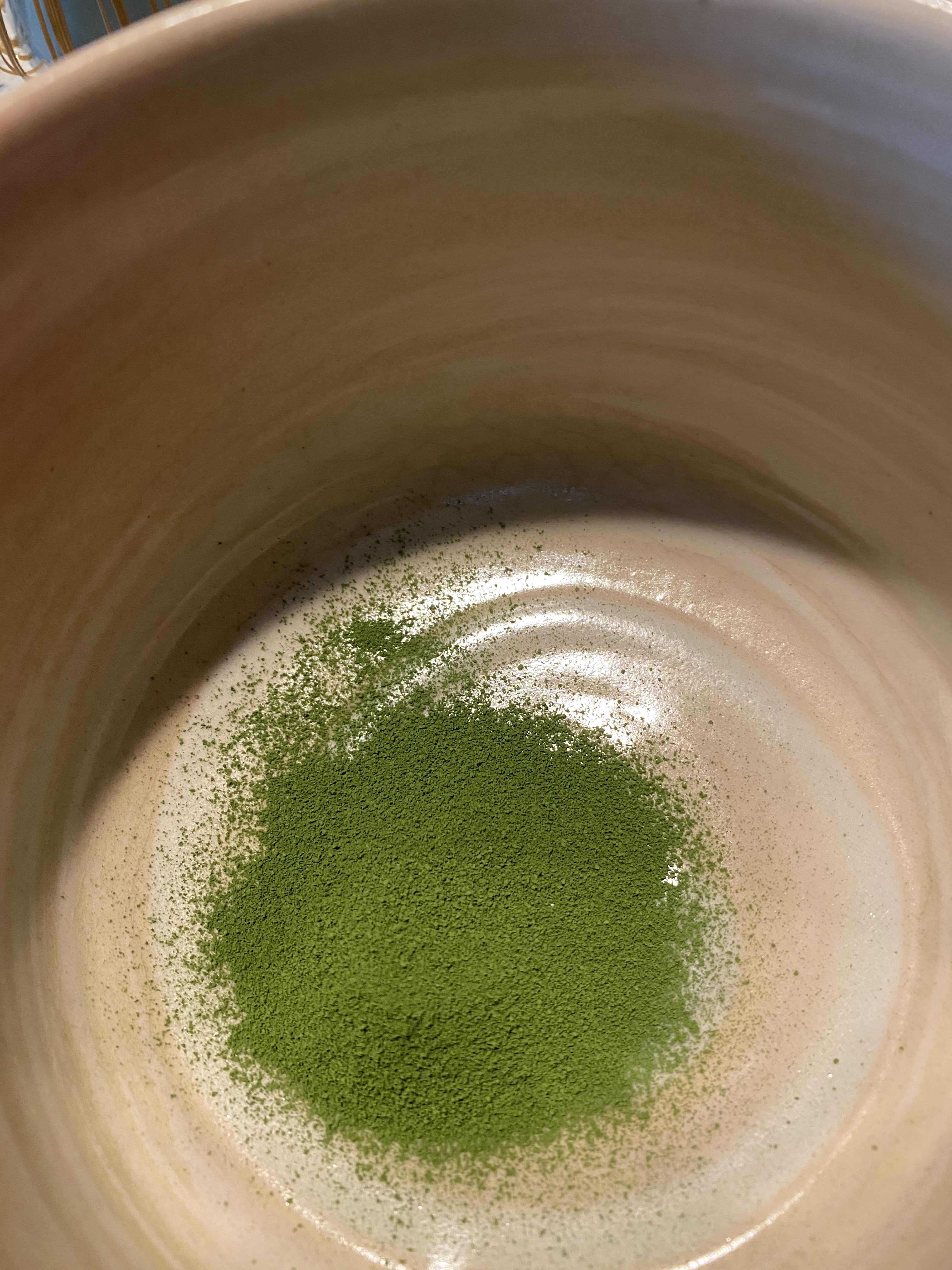
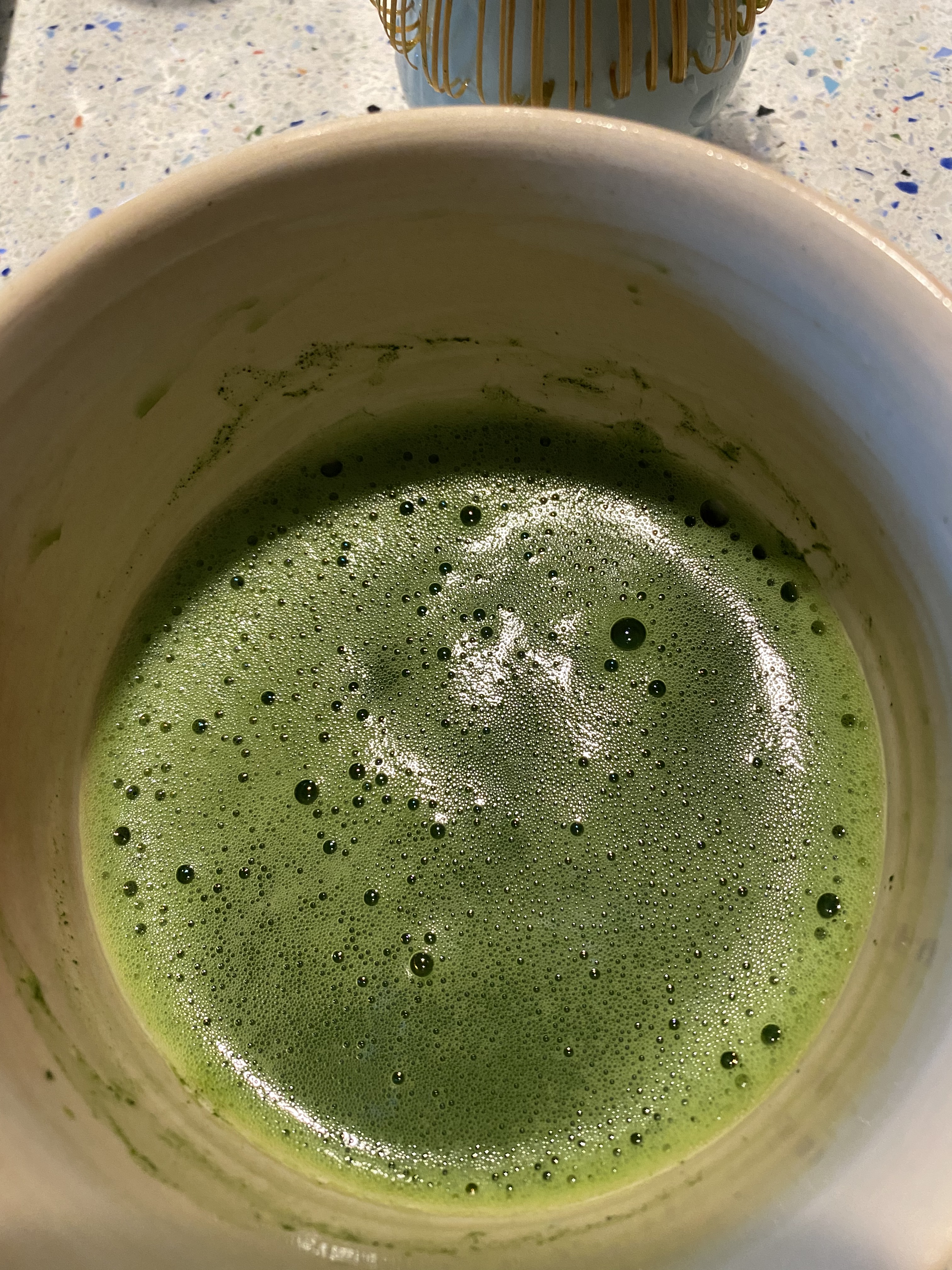
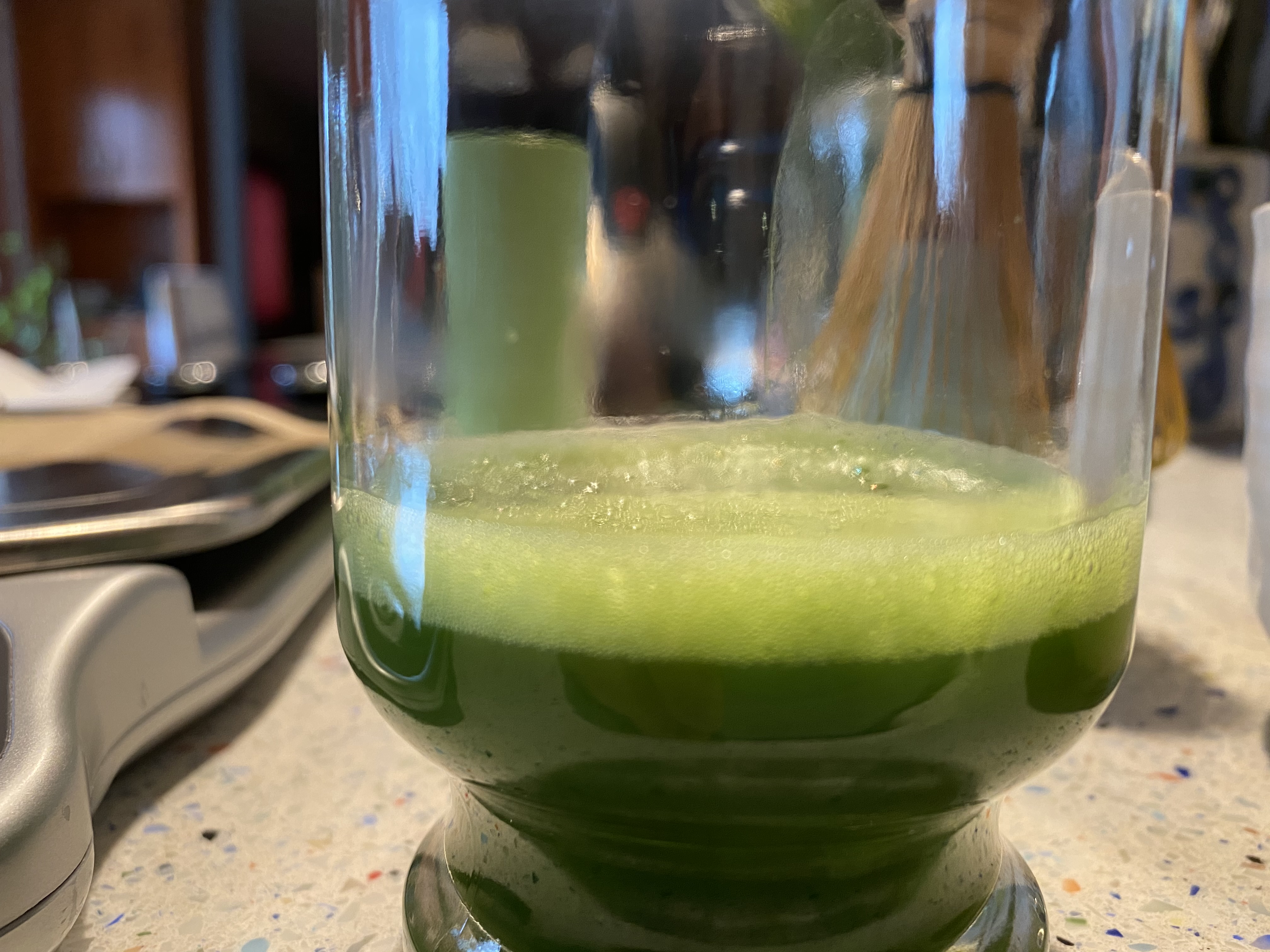
The Gokou was next. After the Okumidori, I had high hopes for this one. Those hopes were surpassed. If the Okumidori smelled sweet, then the Gokou’s aroma was like walking into a cake shop. Okay, a bit of an exaggeration, but it was even more alluring and aromatic. It smelled like a sweet creamy and nutty concoction. The notes of cocoa were more pronounced. When I finally took a sip, I was blown away by the natural sweetness. Probably the smoothest matcha I’ve ever had. Very sweet with a hint of vanilla and practically no bitter notes! I could see why this cultivar is used to make such special teas like gyokuro and ceremonial matcha. You can taste the love and care the tea farmer and producer put into each gram of tea. After reading the Japanese description, it describes it as having a rich and sweet milky aroma and a deep and vivid green color. I think this is a very apt description.
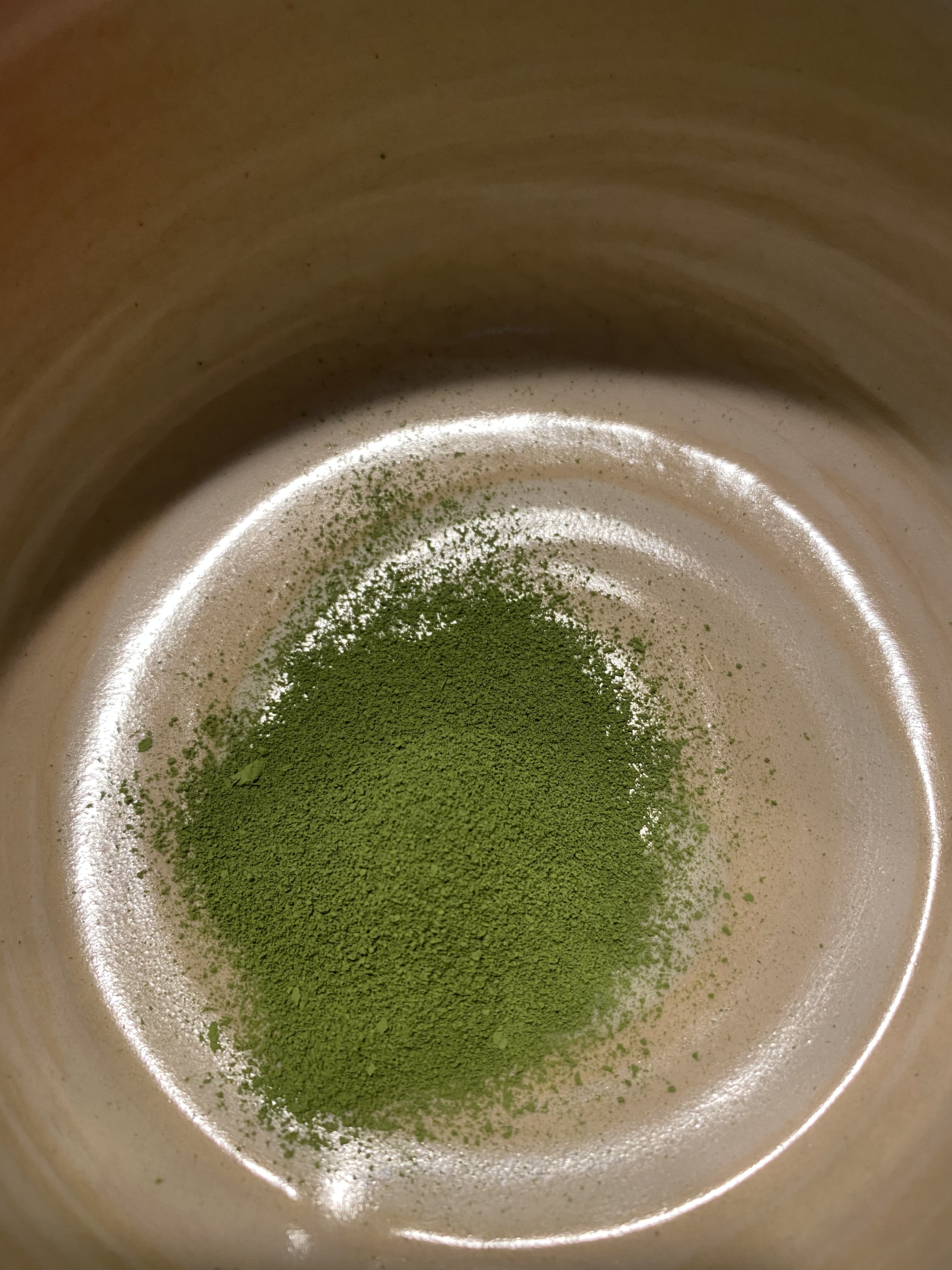
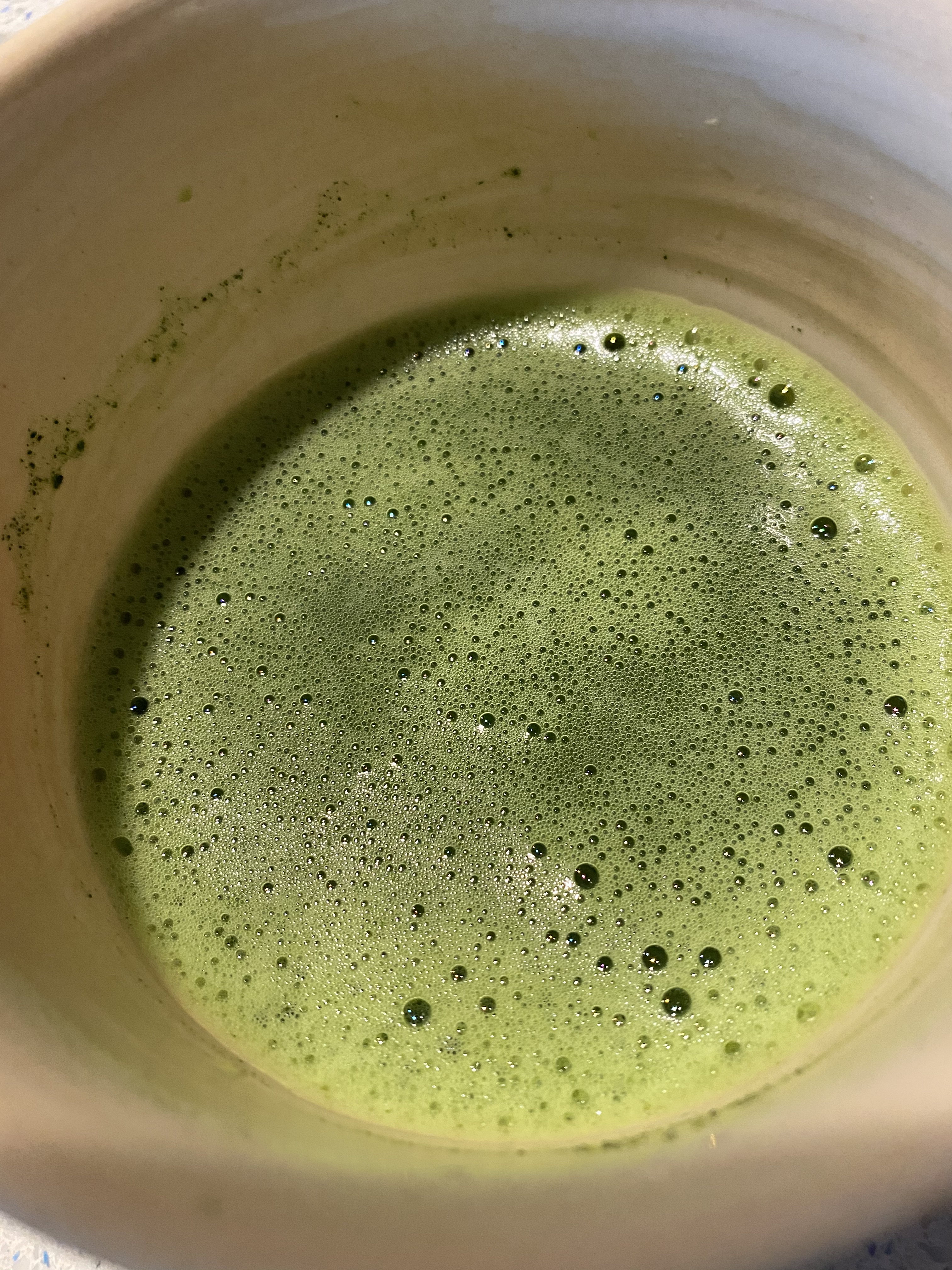
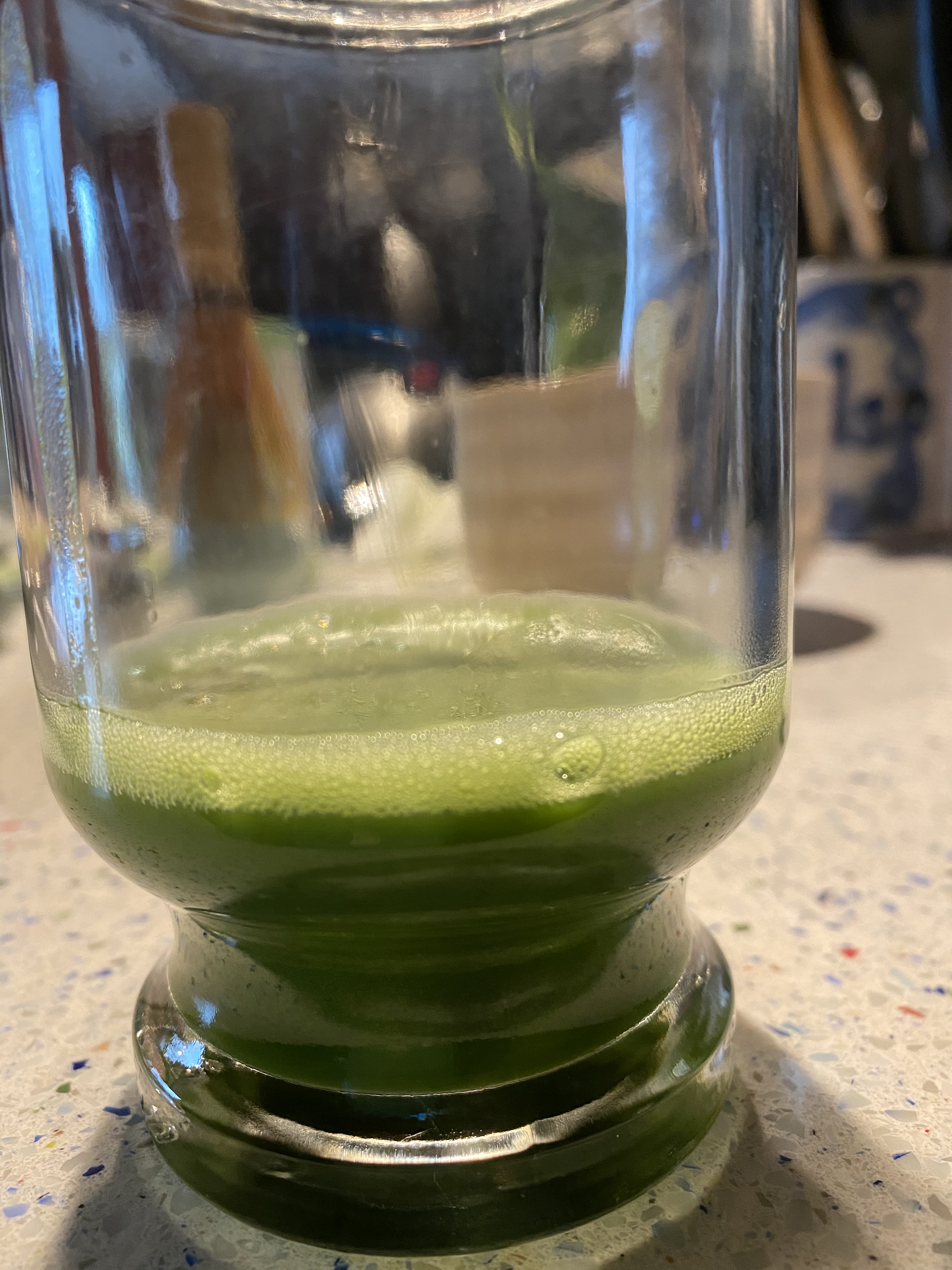
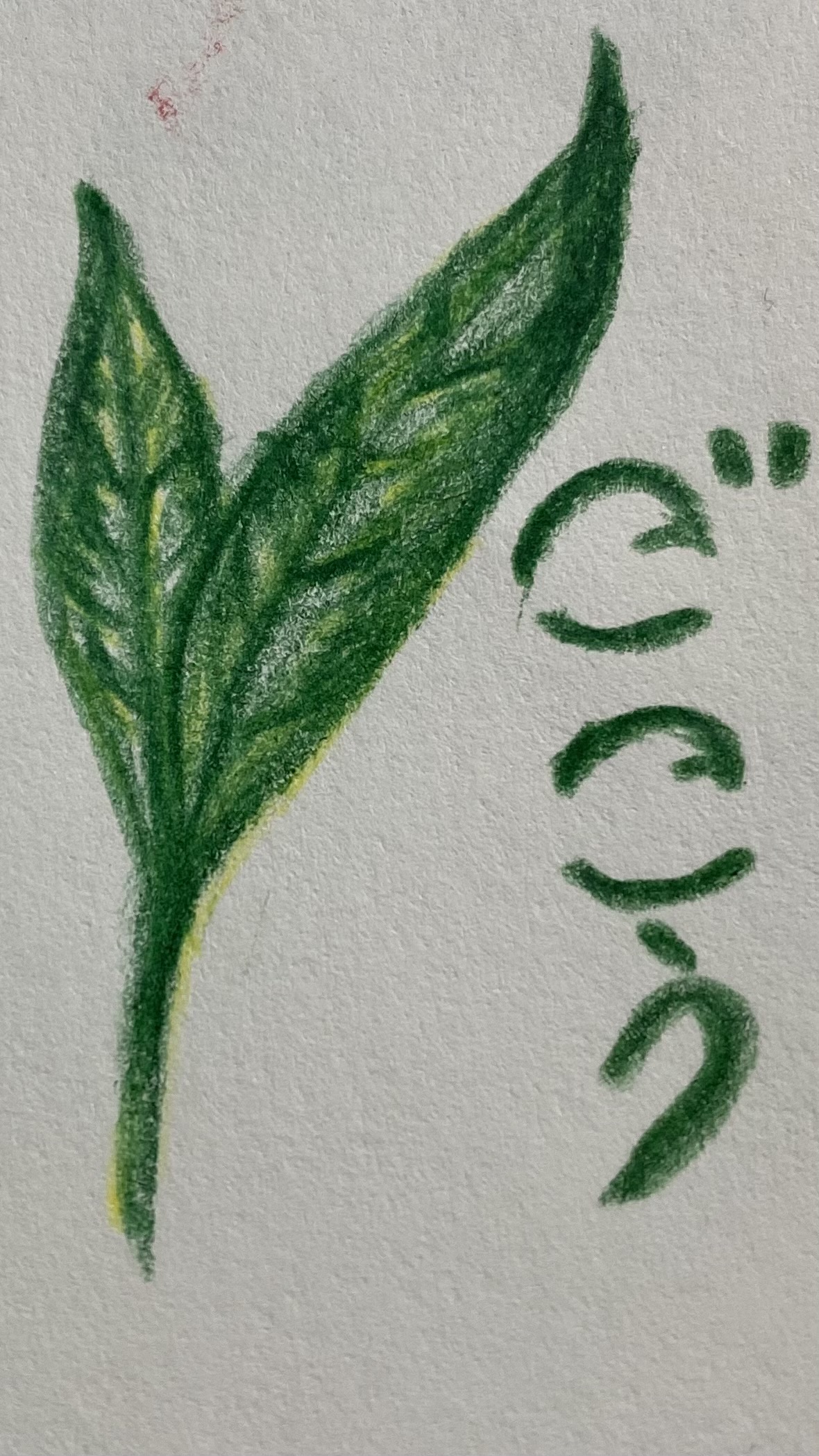
I had a great time trying out two very high-quality matcha. If you ever find matcha with specific cultivars in the title, I highly recommend trying them. It’s likely to be better quality than a can that simply says “drinking matcha”. There is a lot of information out there on tea cultivars and what tea they are processed into. I hope to do some more research and taste comparisons sometime soon. If you are interested in finding out more about cultivars, the blog www.myjapanesegreentea.com is a great source. He has a great section in there about Okumidori and Gokou. Thanks for stopping by!
 Dina's Tea Notes
Nice write up! i agree that Gokou is a mindblowingly good matcha!
LikeLiked by 1 person