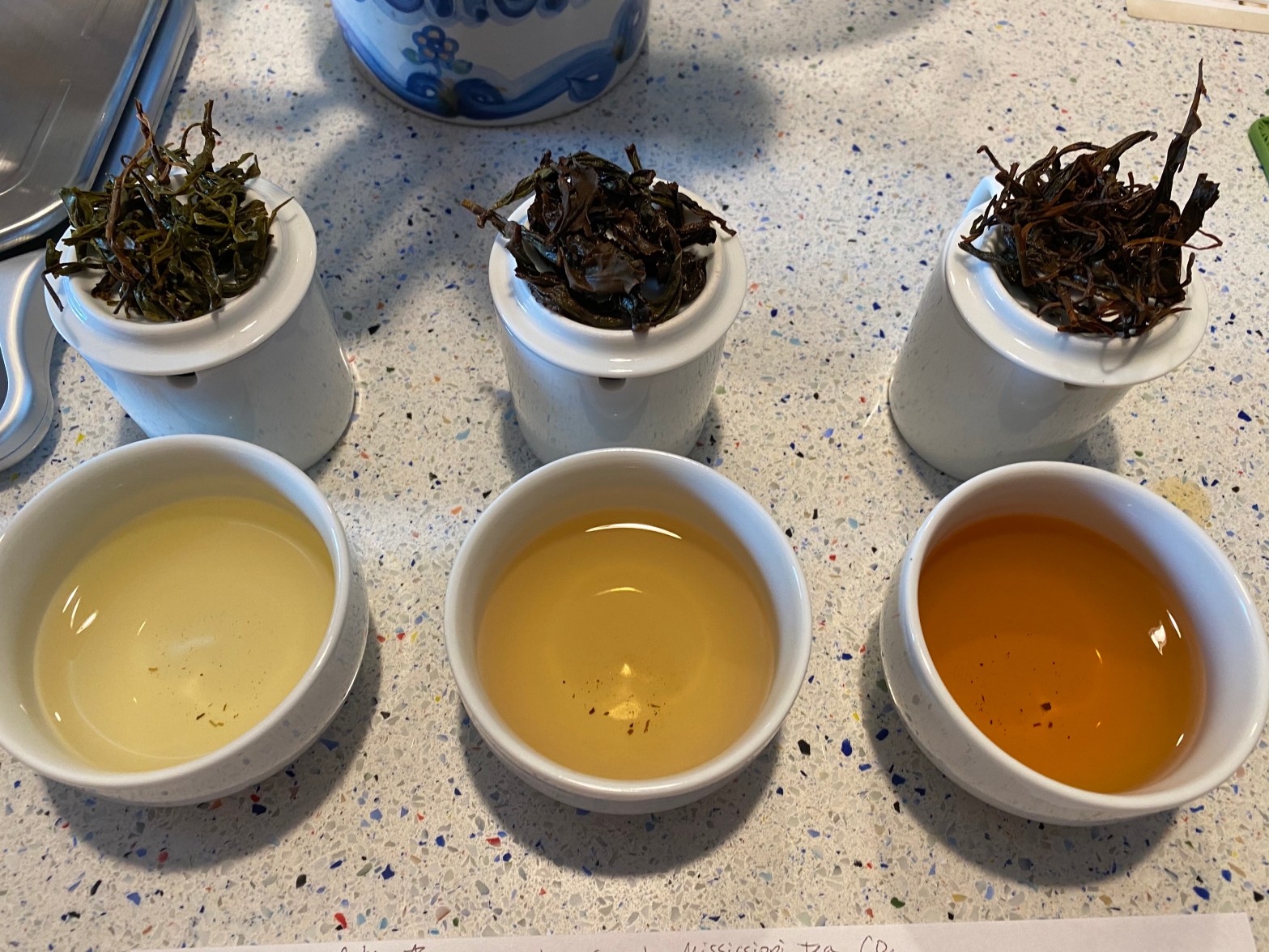
The states aren’t really known as a tea producing country, and in fact we have had a bit of an estranged relationship with tea in the past. That’s why I’ve been really excited to see in the past few years that some local producers are popping up! Hawaii has been producing tea for many years, but one of the most recent additions to the U.S. tea scene is that of The Great Mississippi Tea Company.
They have many fantastic teas on offer and even some with naturally added flavors, but I wanted to try some of the “pure” teas to start. I ordered the yellow, oolong, and black teas. I really wanted to try the green as that is one of my favorite types of tea. They were all sold out! Apparently it’s award winning, so if you are looking to try that one, I would check back on the website as often as possible.
Admittedly I don’t know a lot about yellow tea. It’s one of the least common teas to be produced and is mostly found in China, so I was really intrigued to see an American interpretation of it. Yellow tea is most often compared to green since it has just a low level of oxidation. With green, the oxidation process is avoided altogether (although by picking leaves they will inevitably oxidized to a degree.), but with yellow the leaves are purposefully oxidized for just a very short time. The flavors of yellow tea are often similar to greens but tend to have less sharp and grassy notes. I would like to try some yellow tea from China sometime to compare, but I think it will be hard to come by Chinese yellow tea as it is so expensive and mostly stays in China. In the mean time I was pleasantly surprised by the yellow tea from Mississippi!
The aroma when I opened the bag was very sweet, almost like sweet corn. Indeed, it didn’t really smell of grass or seaweed but was subtly vegetative. When I brewed it, the liquor still had a sweet corn aroma along with a hint of berries, and hay. Very subtle earthiness. The mouthfeel was very light body but became a bit more medium after cooling. It had a pleasant light and clean flavor with just a hint of the vegetative sweetness I smelled. No astringency or bitter notes to speak of! Just smooth and buttery. Similar to some Chinese greens I have had in the past.
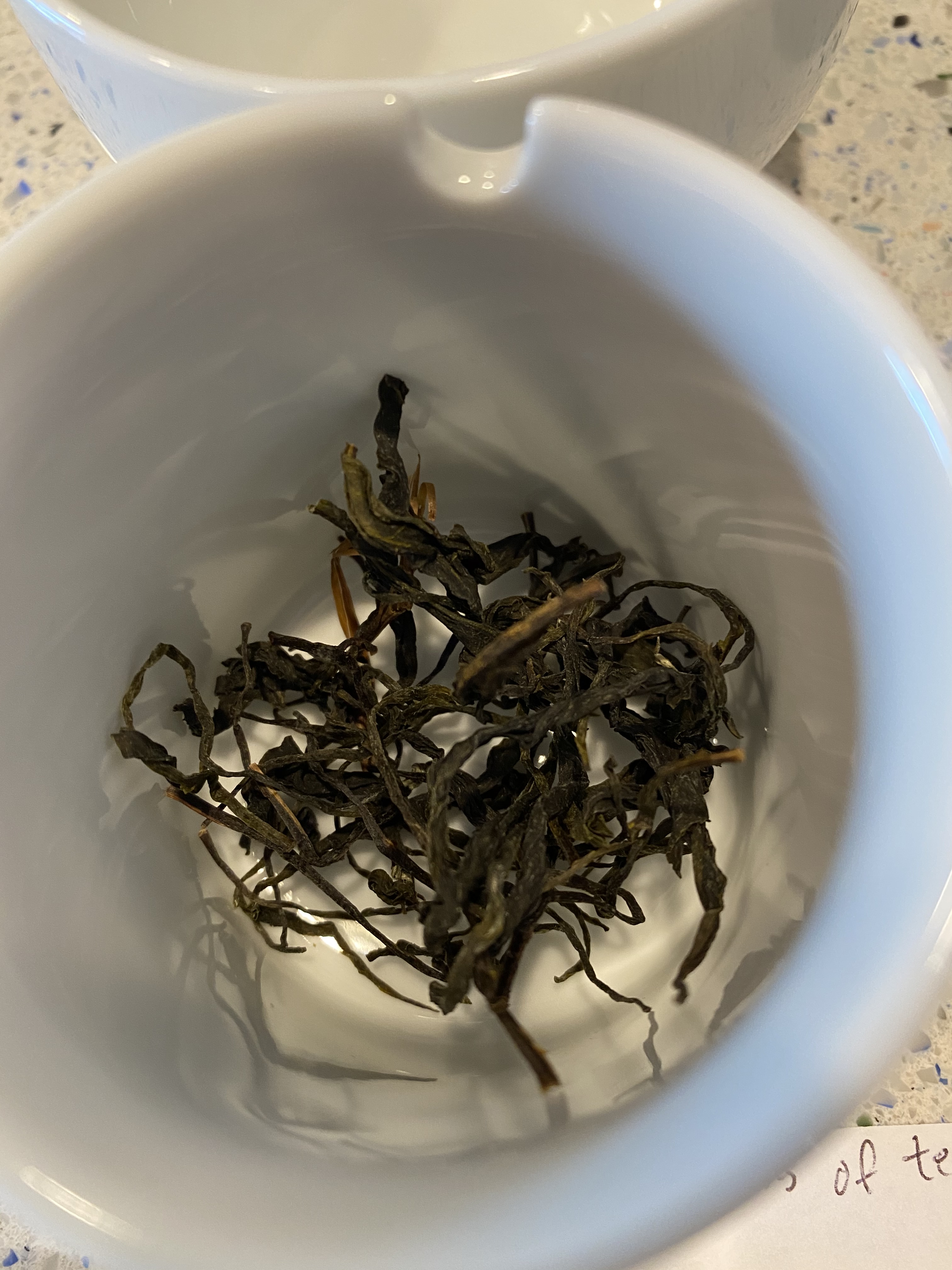
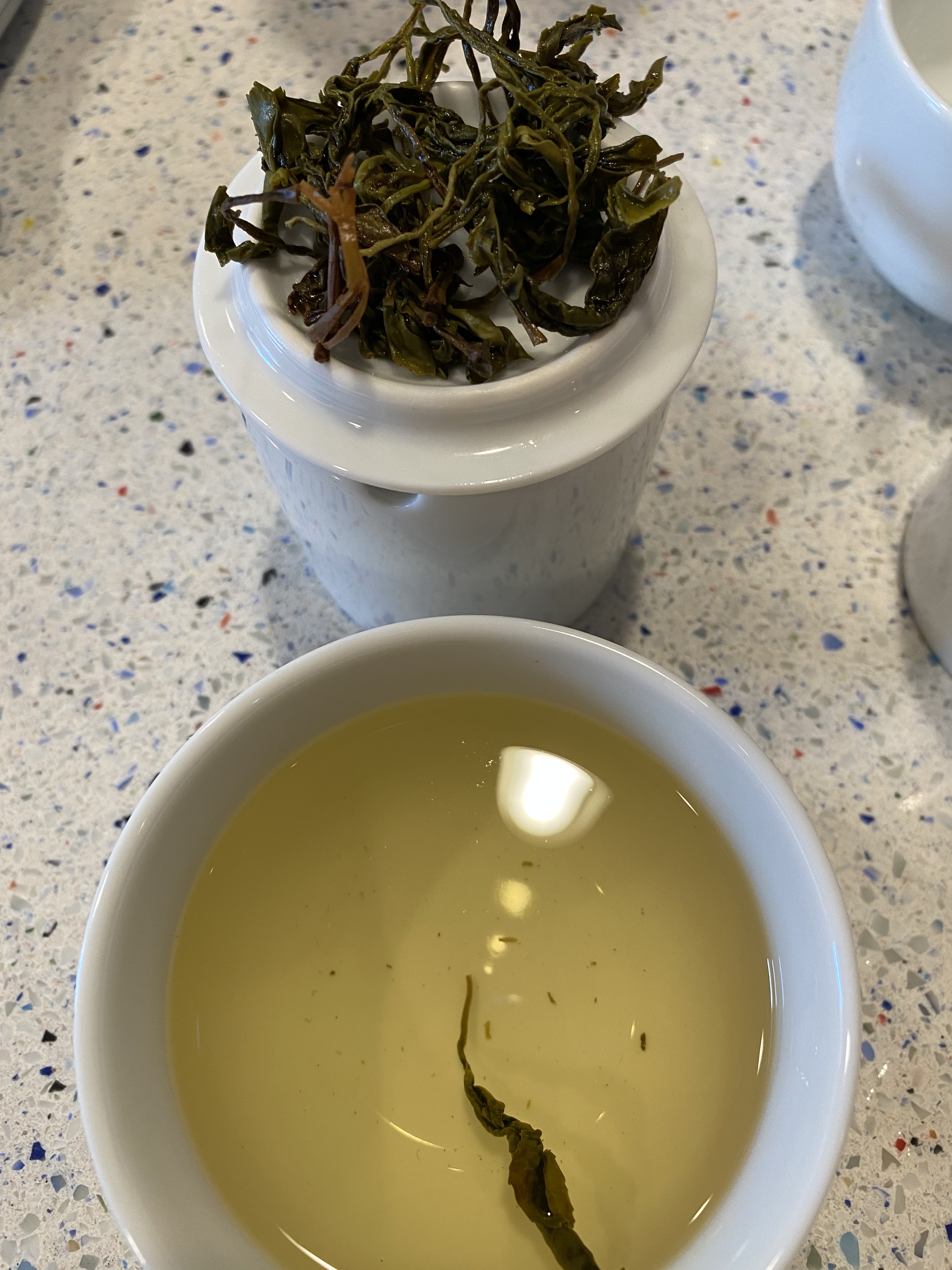
Oolong tea oxidation levels can vary so much that the lighter ones tend to be fruity and the ones with higher oxidation can often be described as nutty or toasty. There are a lot of variations and some could even be said to have both fruity and toasty qualities. This oolong is definitely more on the lightly oxidized level, as there is still some green on the leaves. It also has the characteristic fruity aroma and flavor, as well as being slightly toasty. I would also describe this tea to be very light bodied and smooth with no bitterness or astringency. Buttery, slightly vegetative, and a little sweet. A very easy drinker!
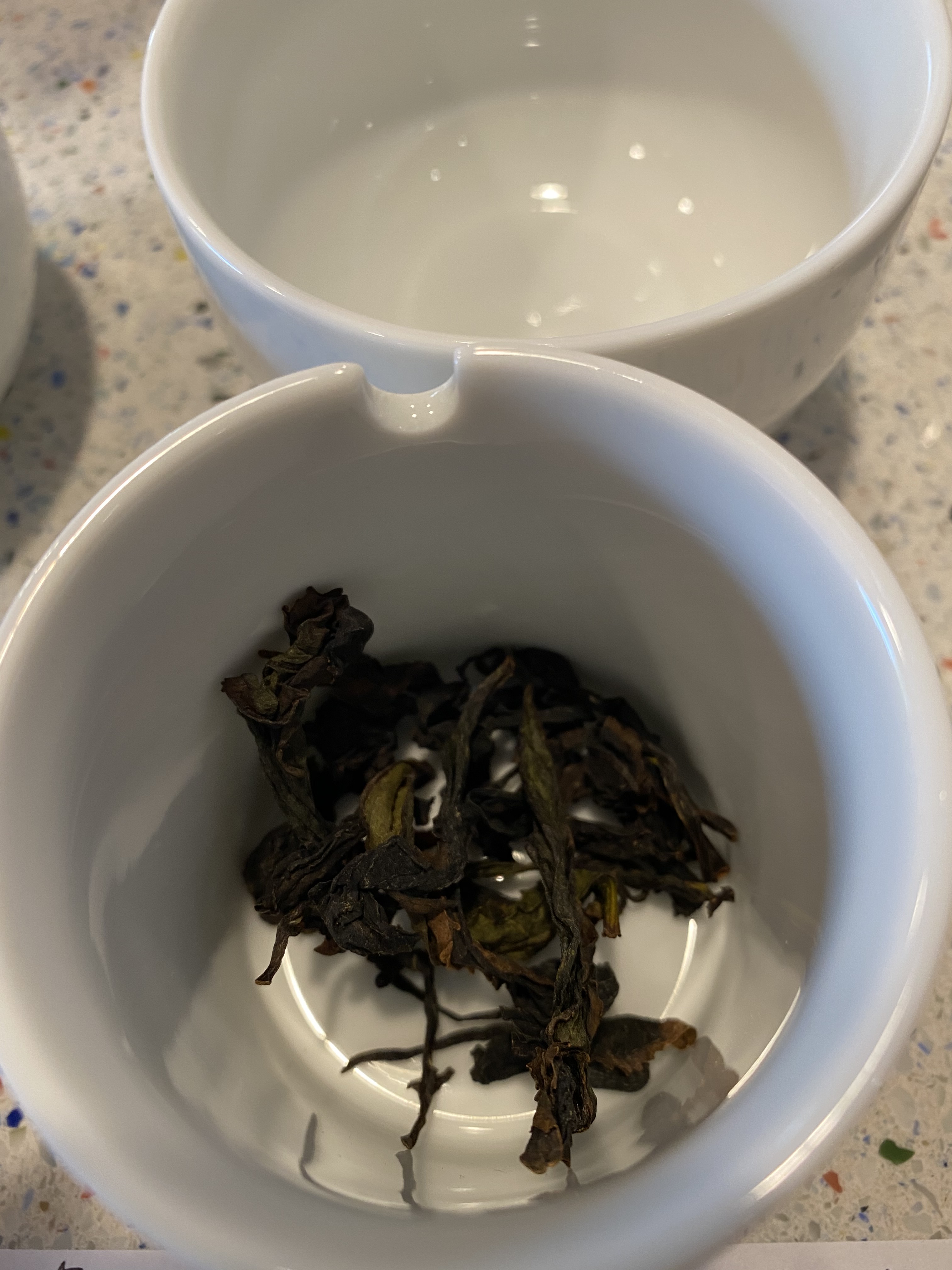

The last tea I tried was their black tea. I could tell by the aroma from the leaves that it would be similar to some Chinese black teas I’ve had in the past. I was right! It was very reminiscent to a keemun in that it had a sweet smokiness. It wasn’t super malty like an Assam might be. There were notes of warming spice like cinnamon and I even detected some poached pear notes, toasted nuts, and dark berries as well as a cocoa undertone. It was a little bit earthy and yet was just as easy to drink as the yellow and oolong were.
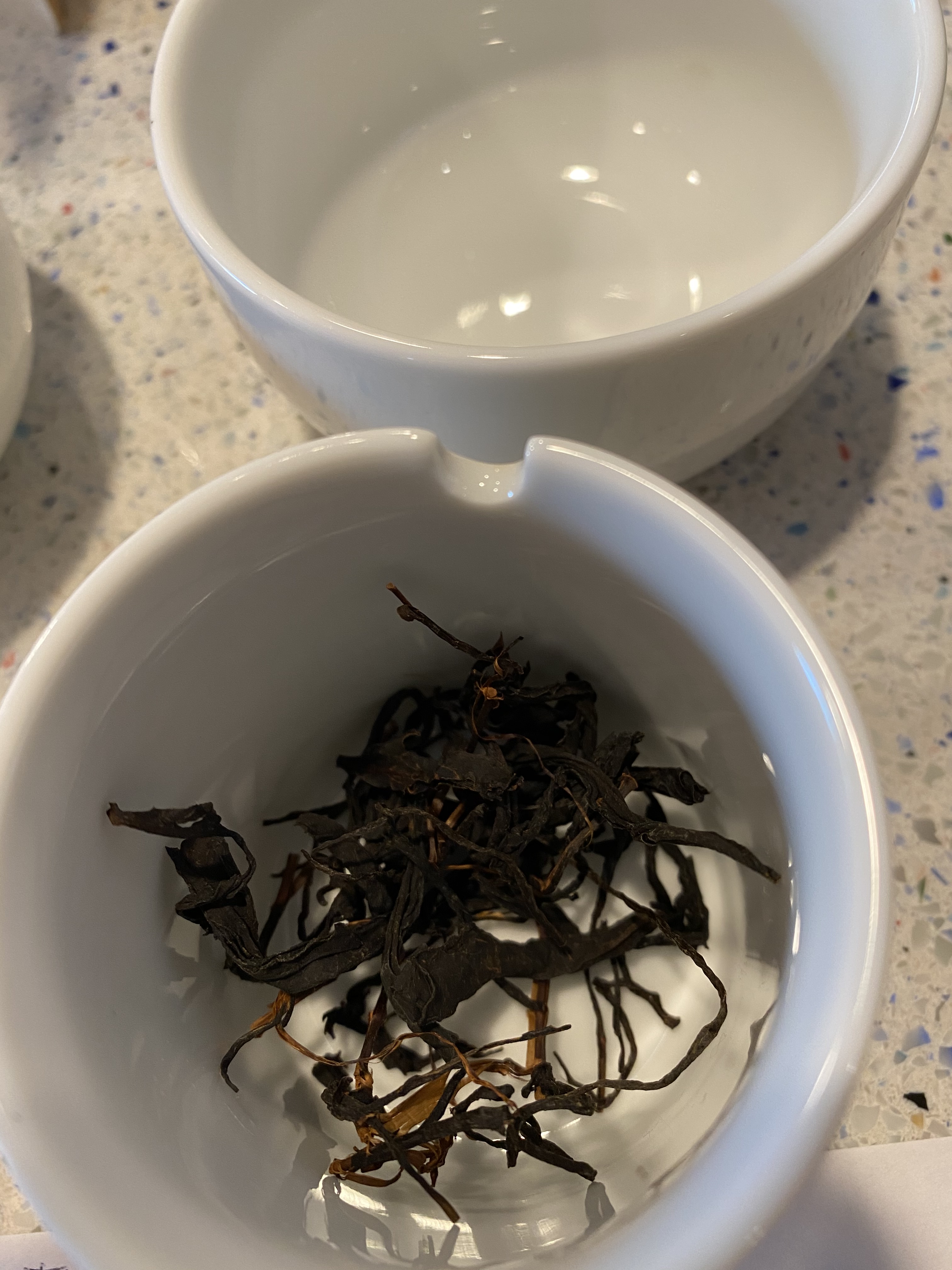
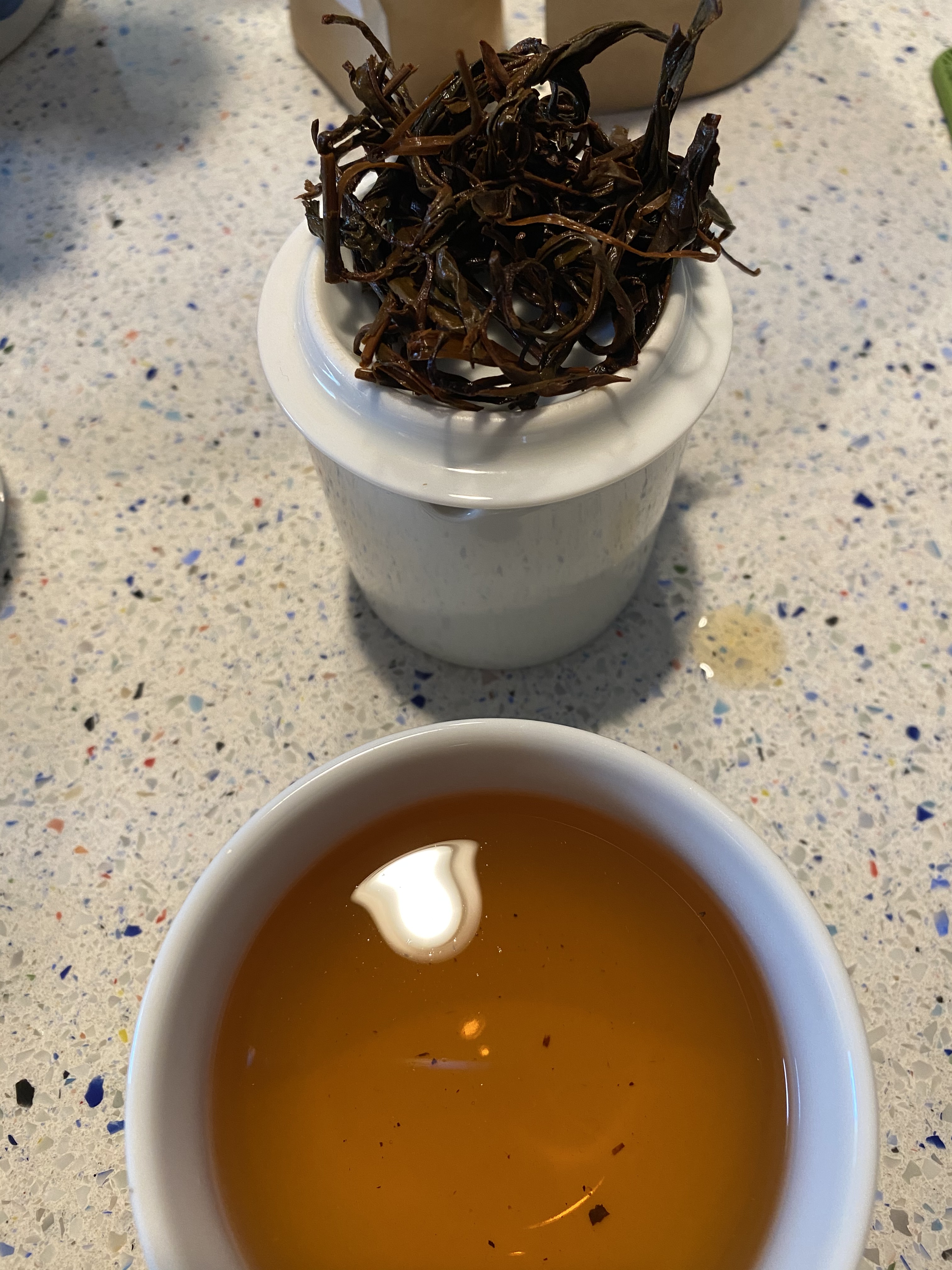
Overall I really enjoyed these teas. I would say that they were all easy to drink and light to medium in body. The one gripe I may have is that I wish the flavors I did detect were turned up a little bit more! Of course, there are always so many variables with loose leaf tea. I could have brewed it in and ineffective manner. The scale I use to weigh the tea may not always be accurate. I do use an electric variable temperature kettle, so I’m sure the water temperature was as accurate as possible. Either way, I think the yellow tea was probably my favorite. It has prompted me to see if I can find any more yellow teas available in the states.
I’m just so happy to have found a true tea farm in the states that grows and produces their own products. Not only do they make and sell their own teas, but they also have many other hand made products containing their teas such as soap and BBQ rub. I hope to see more of these innovative local (relatively speaking) tea farms show up wherever people are able to grow tea. Tea is one of my passions of course, but I sometimes feel guilty ordering tea that came from half way around the world. It feels nice to support someones dream and to help the national and local economies in some small way.
What do you think? Will you give these teas a try? Which tea sounds good to you? Do you know of any other fantastic locally (to the US) made teas? If not true tea, perhaps some herbal teas? Let me know in the comments!
 Dina's Tea Notes