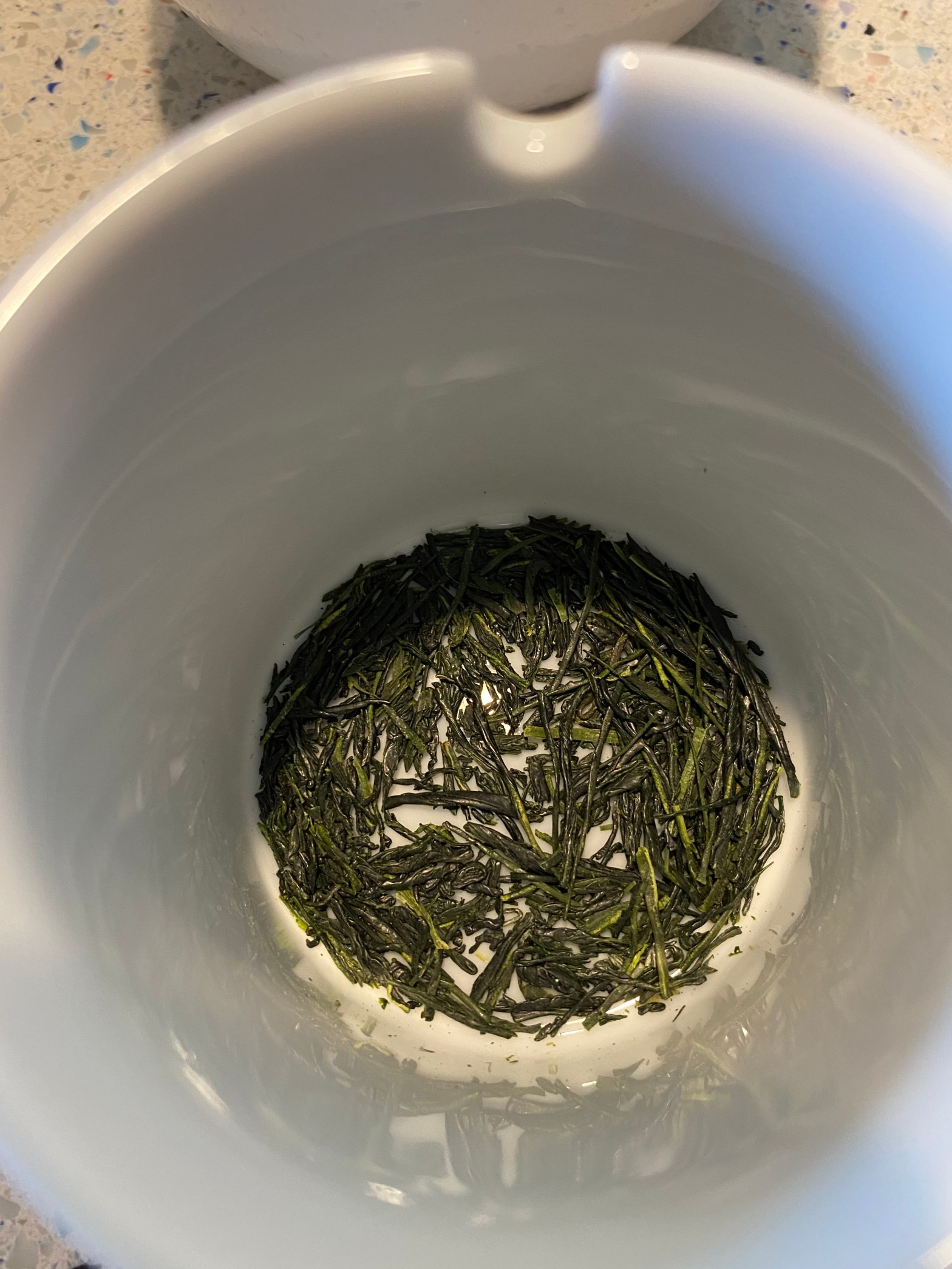
It was my birthday recently and I received two new (to me) sencha. I found out they are both from Kagoshima in Kyushu, Japan. Kagoshima is one of the most prolific tea producing regions outside of Shizuoka, Japan. It was once considered less desirable than tea from Kyoto or Shizuoka and mostly was used in blends or sold very cheaply. Kagoshima is fast becoming more recognized for it’s own take on tea and is finally being revered as it should, mostly thanks to their willingness to experiment and think outside the box. This is actually pretty rare in the Japanese tea industry as the customer base for loose leaf skews older. I for one am less familiar with Kagoshima tea and was very excited to try them out.
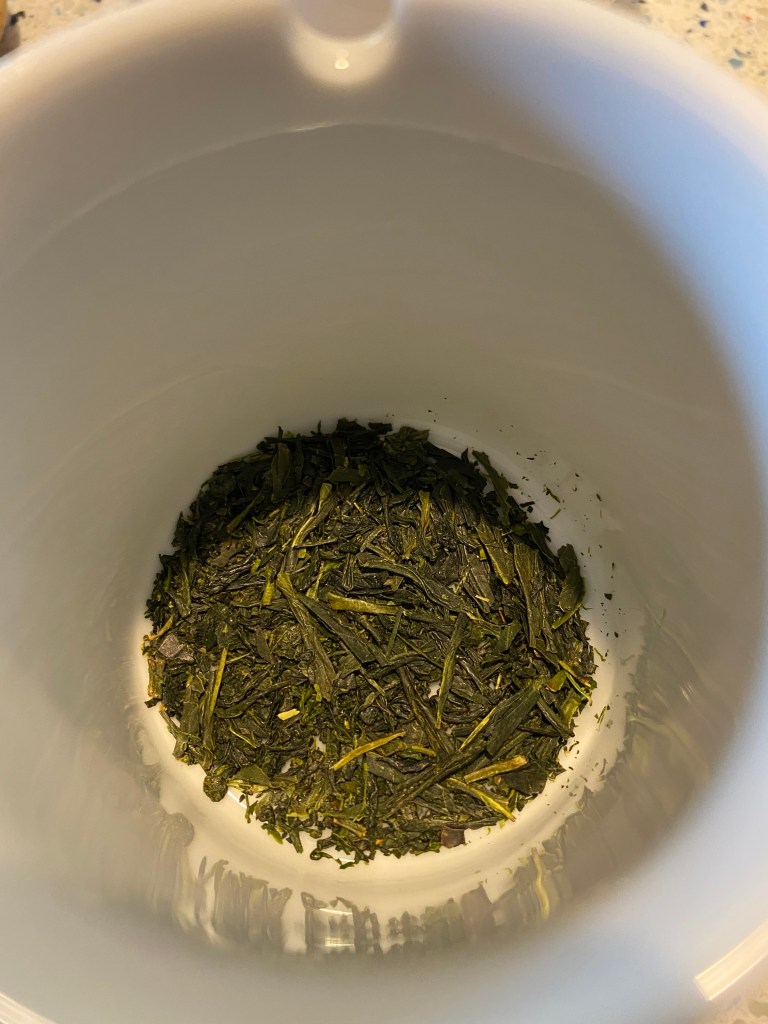
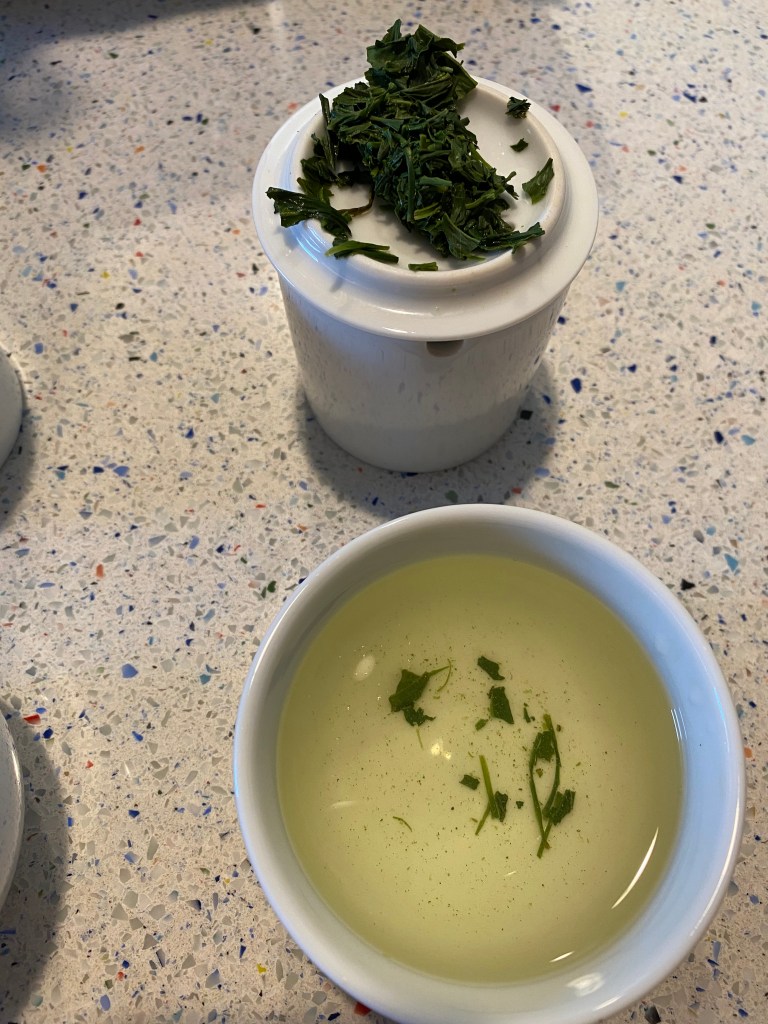
The Orchid Sencha is named as such because it is said to have a subtle orchid or general floral aroma. I don’t fully know what an orchid smells like (despite having one in my house), but I suppose it has a very slight floral aroma. It mostly smells sweet and vegetative in my opinion. It’s always easier for me to smell the leaves rather than the liquid of the tea. I hope to try honing in on this skill more and sharpen my sense of smell. Maybe I’ll do a separate post on that in the future.
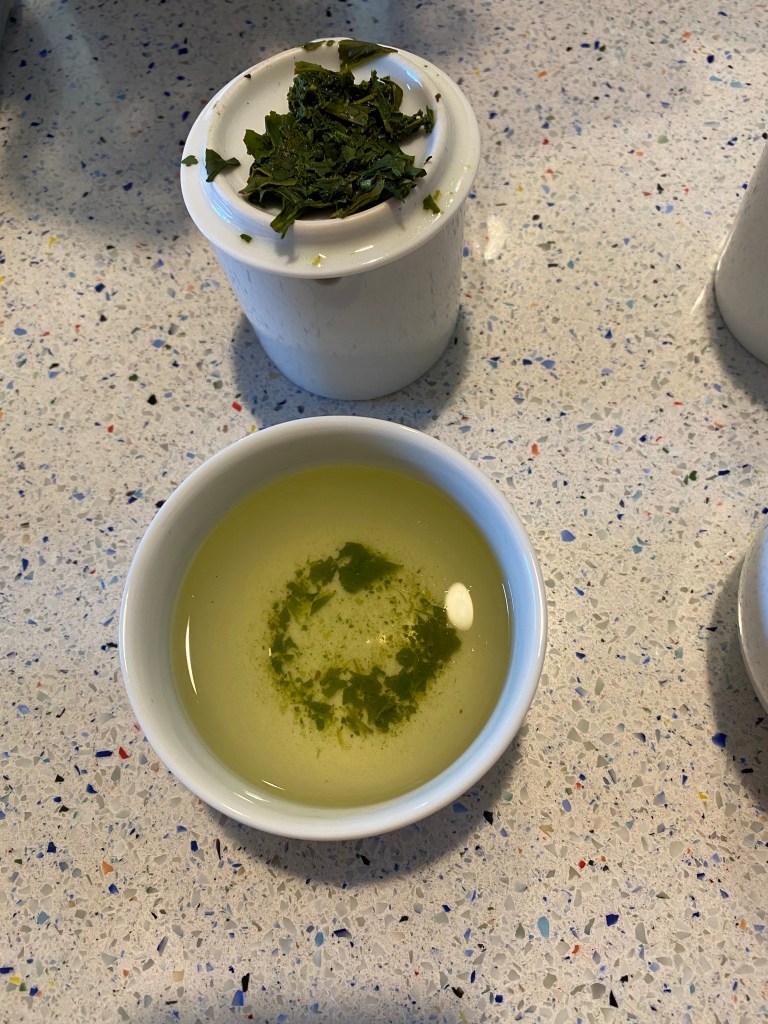
The appearance of the liquid is a bit clouded. This isn’t a bad thing. It can mean that there are a lot of tea solids or small particles that make the tea a bit thicker. This can actually be a nice surprise when tasting the tea. The Orchid sencha definitely has a thick mouthfeel. Last week, I talked about the teas from The Great Mississippi Tea Co. having a light body or mouthfeel, and this one is noticeably thicker. The actual flavor of the tea is pretty soft and subtle despite this. It is often said that green teas especially ones from Japan tend to have a fair amount of bitterness and astringency. This one has neither and has a very clean sweet vegetative taste.
The Tea Spot says this tea is also known as iccha kariban which means “floral fragrance” and it is specific to Kagoshima. It is unlikely you would find an iccha kariban from Kyoto or Shizuoka. Thus, Kagoshima has carved out a bit of a niche in the Japanese tea world. It was very pleasant to drink, and I love all kinds of Japanese greens. I am used to ones with a bit more punch, but I think it’s a good tea to have on it’s own. I wouldn’t try pairing a strongly flavored snack with it.
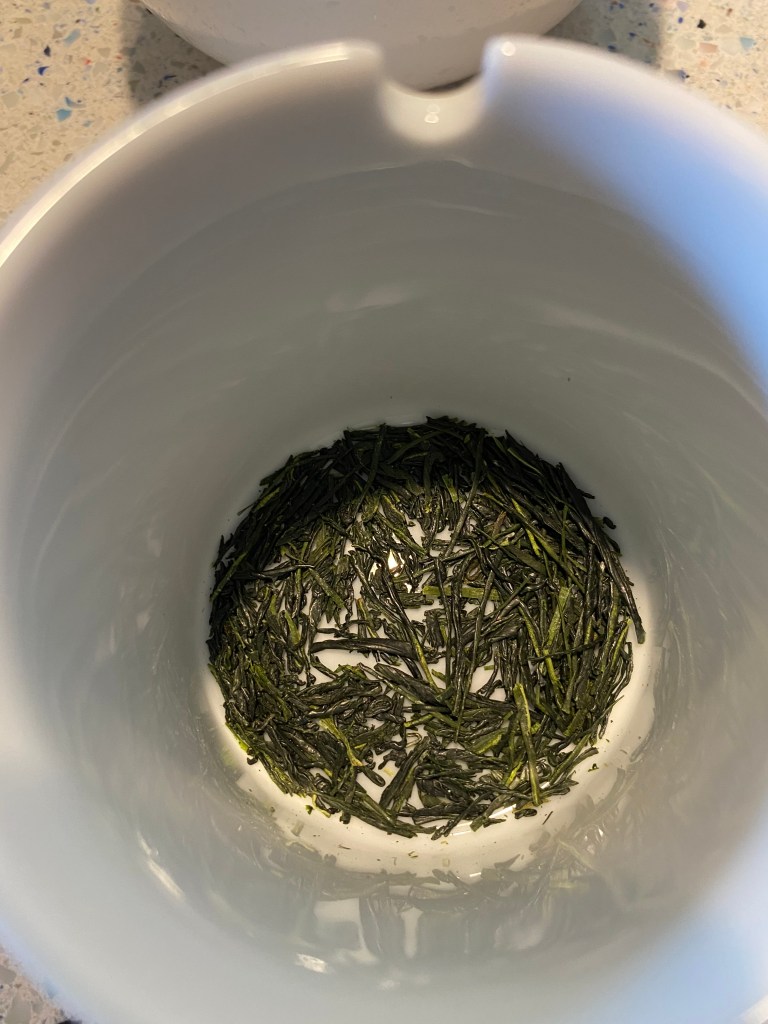
I have actually had another sencha by the name of “88th Night” that I really enjoyed. It sounds very poetic, but it’s again named as such for a good reason. I don’t think it’s specific to Kagoshima, but this version of it is a bit lighter. It’s called “88th Night” because the leaves are harvested 88 nights after the Japanese lunar new year. This is one of the new teas or shincha as discussed in another post. These are usually of a very high quality and are sought after by tea enthusiasts all over. Another way you can tell the quality is high is just by looking at the dry leaf. They are formed into delicate thinly rolled needle shapes and have a deep emerald hue. They almost shine in the light.
The aroma is sweet with a hint of savory. Lightly vegetative and perhaps a little fruity. This one didn’t cloud over at first, but once it cooled slightly it did. It had perhaps an even thicker mouthfeel than the Orchid sencha. The flavor was lightly sweet and there were hints of sugar snap pea, sweet corn, and spinach. Very slight marine quality with not a bit of bitterness or astringency. Very fresh, buttery and smooth! According to the site, it is created with the Okumidori cultivar which is said to have a cherry blossom aroma. I would love to do a whole post on cultivars as it is an endless source of fascination for me.
In many ways, these teas had some things in common. I would love to try more Kagoshima tea, as in the past they were seen as low caliber. It’s the story of the underdog rising to the challenge. Kagoshima tea farmers and producers used their weaknesses and turned them into strengths. They saw a hole in the market. An area where experimentation was desperately needed. Kyoto and Shizuoka have amazing tea to be sure, but it would be great to see more experimentation all over the map of Japanese tea making. Though I’m not familiar with Kagoshima and I’ve only tried a few teas from there, I’m very impressed. Next time you’re in the market for Japanese tea, why not give some Kagoshima tea a try?
 Dina's Tea Notes